

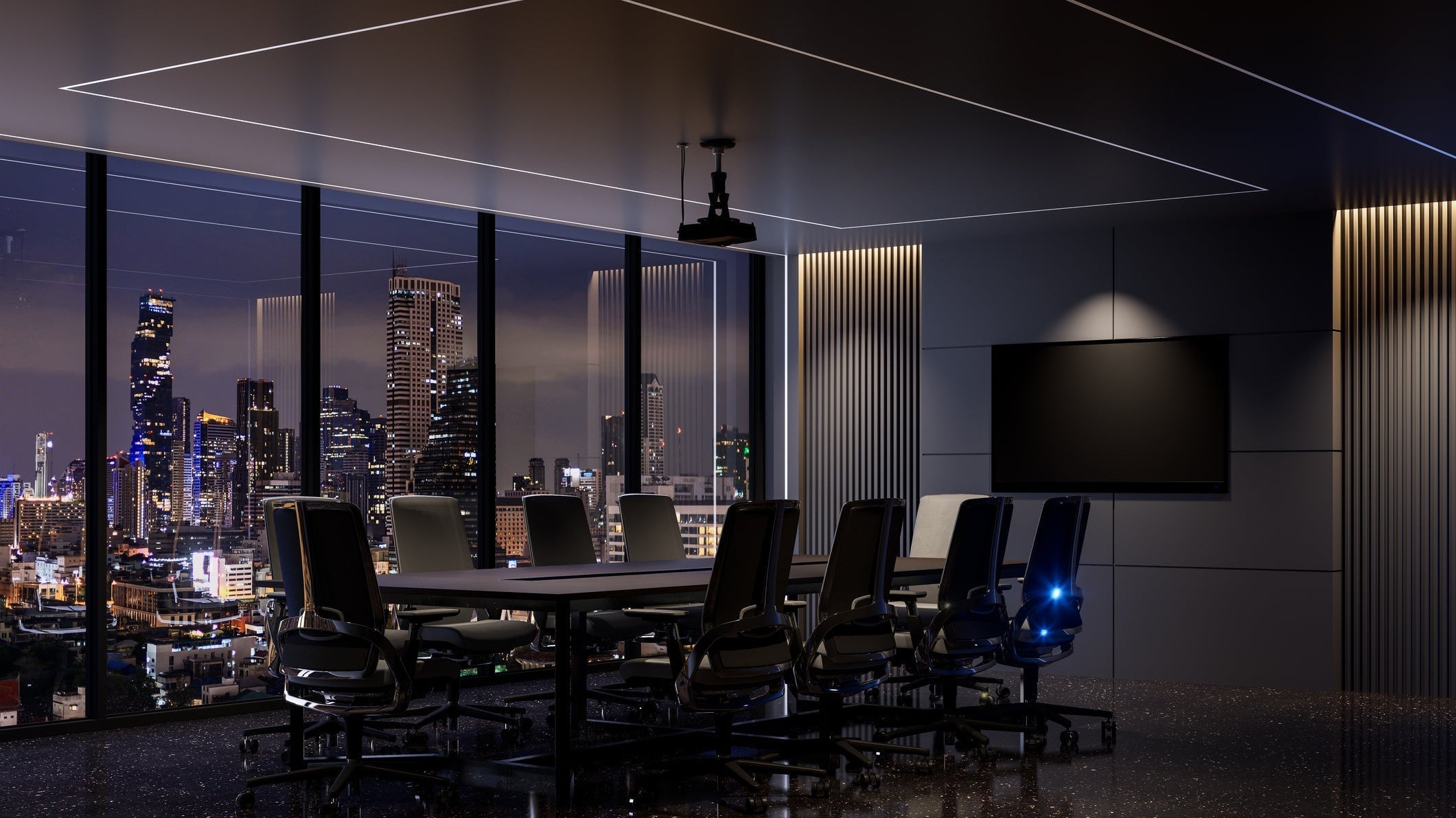
Rethinking Meeting Rooms: From Space to Performance Tool
Most meeting rooms weren’t designed for human biology. They were designed because “we need meeting rooms.” But in 2025, that’s not enough. Light, temperature, and circadian science now define whether...
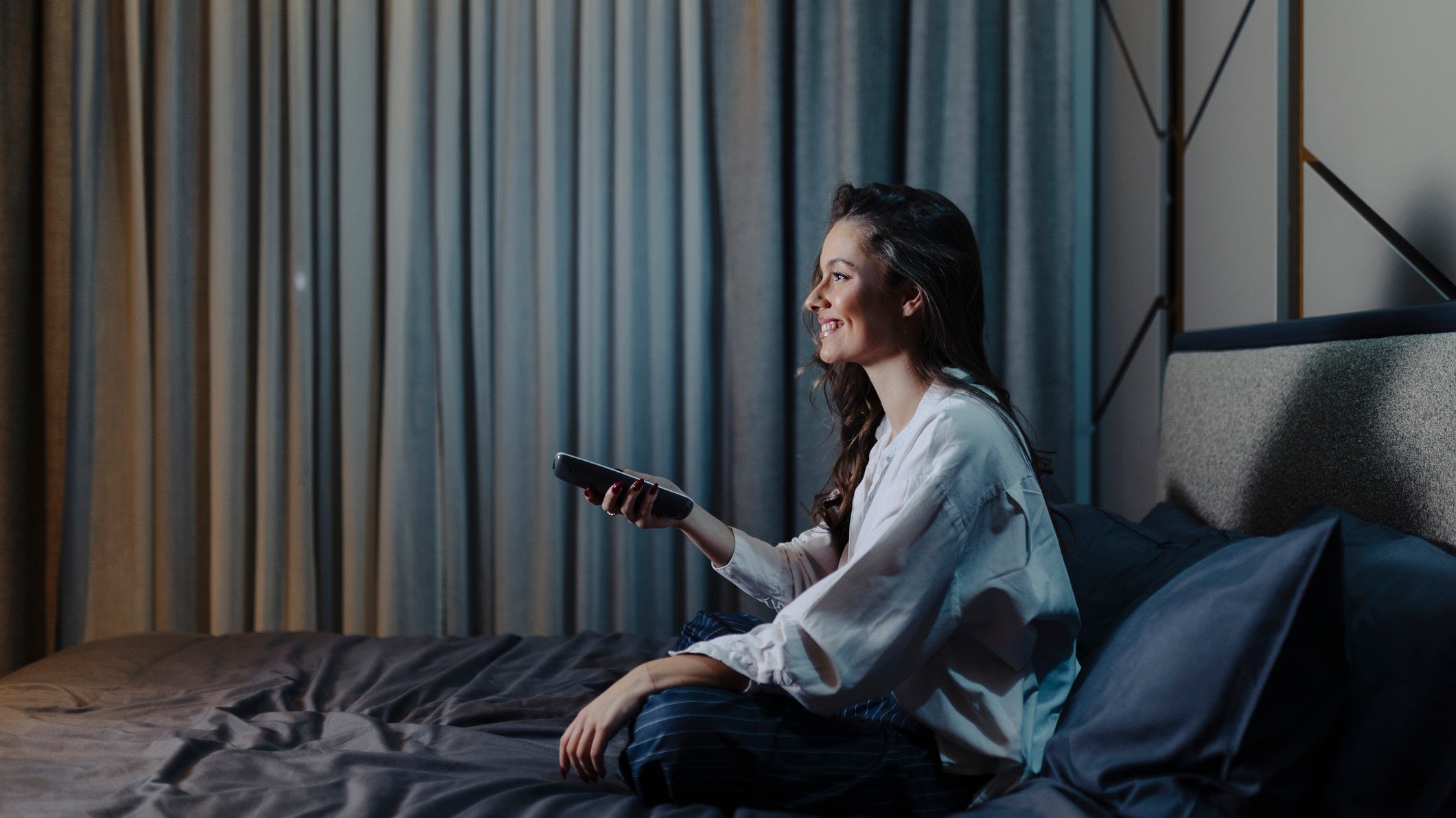
Television, Sleep, and Human Performance: What the Science Really Tells Us
Television is part of many people’s nightly wind-down, but its impact on sleep is more complex than most realise. Screen type, brightness, content, and timing all influence whether TV helps...
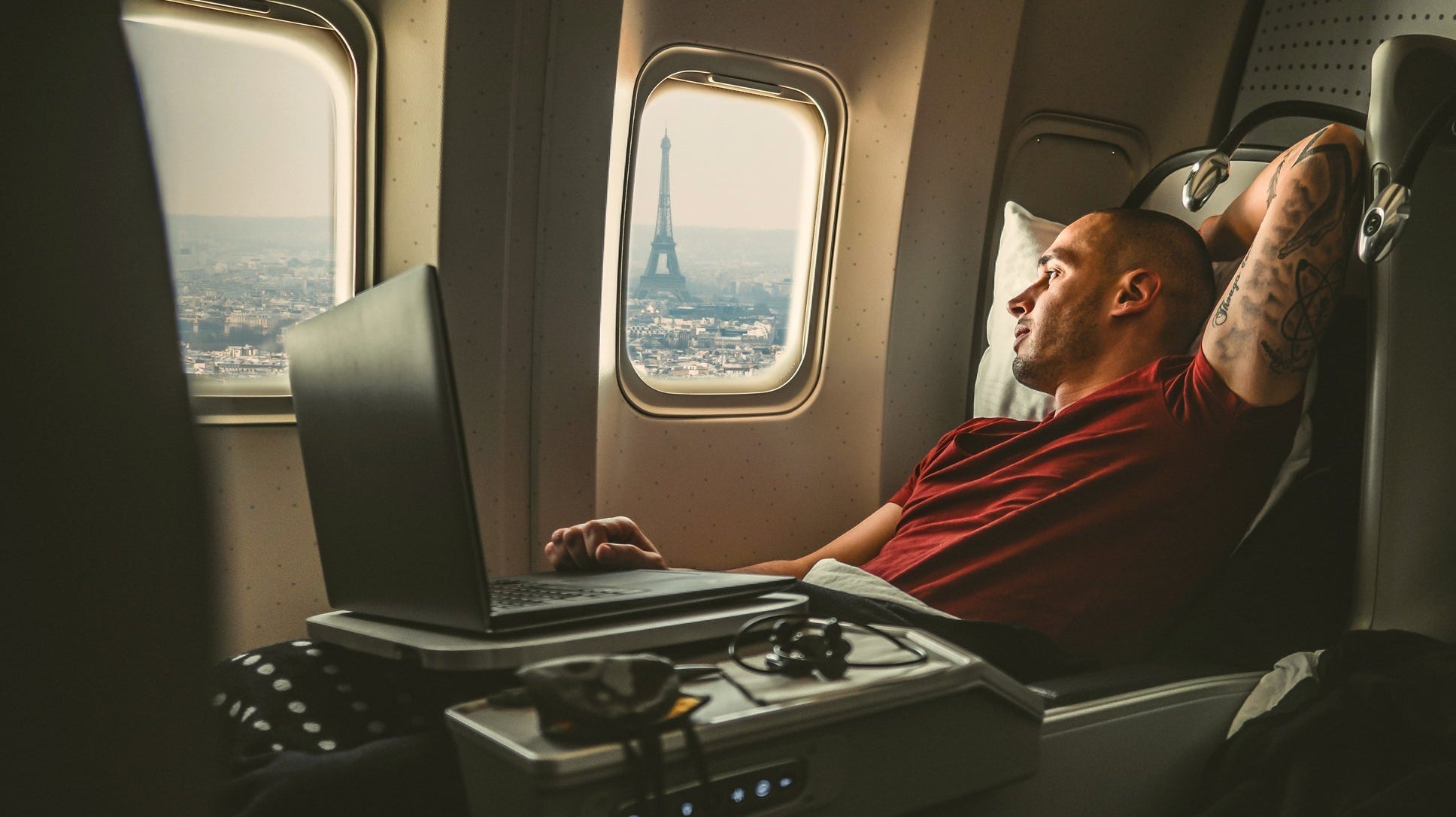
Hydration & Electrolytes: The Overlooked Jet Lag Tool
Jet lag is often seen as a sleep problem. But hydration and electrolyte balance play a fundamental role in circadian alignment, recovery, and adaptation to new time zones. This article...

Why In-Room Workouts Aren’t the Future of Wellness in Hospitality
In-room workouts may look like a convenient wellness solution, but science shows they fail both recovery and performance. Hotel rooms are designed for rest, not training, and this mismatch exposes...

Rethinking Sleep Timing: Unlocking Human Performance Through When, Not Just How Much
Sleep isn’t just about duration. Emerging research shows that earlier, consistent sleep timing is critical for next-day energy, movement, and focus. In this article, Phil Learney explores the science of...
Sleep Tourism: Why Rest Is Becoming the Real Luxury (and the Next Competitive Edge)
Sleep tourism is transforming how we travel. No longer about indulgence or adventure alone, the new luxury is restoration. This article explores the science, industry shifts, and practical applications behind...
Why Social Jet Lag Is as Damaging as Travel Jet Lag
Social jet lag is the hidden disruptor of modern life. Mimicking the effects of travel across time zones, it erodes energy, focus, and recovery week after week. This post explains...
Alcohol and Sleep: Redefining Rituals of Relaxation in the Wellness Era
Alcohol is often seen as a sleep aid, but the science tells a different story. Even small amounts disrupt sleep cycles, impair recovery, and create a caffeine–alcohol cycle that erodes...
Tradition, Transition, and the Future of Hospitality: Coffee, Alcohol, and the Rise of Wellness Demands
Hospitality has always been anchored by tradition, with coffee and alcohol at its core. But shifting generational demands are reshaping the landscape. Wellness-conscious consumers now seek balance, quality, and alternatives....
Why Circadian Rhythms Are the Foundation of Human Performance
Circadian rhythms are more than sleep–wake cycles, they are the foundation of human performance. From morning focus to evening recovery, your body runs on rhythm. This post explores the science...
Is Your Office Environment Driving You to Drugs and Alcohol?
Poor office lighting is more than an inconvenience, it disrupts circadian rhythms, drives fatigue, and fuels reliance on caffeine and alcohol. This article explores the science behind lighting, mood, and...
Optimising Dopaminergic Tone Without Burnout: The HMN24 Approach
Optimising dopaminergic tone without succumbing to burnout is one of the pivotal challenges in contemporary performance and wellness. In today’s culture of quick fixes, excessive caffeine consumption, overstimulating activities, and...
Hydration at Altitude: Understanding the Physiology and Managing It Effectively
Air travel exposes the human body to an environment unlike anything encountered on the ground. Cabins are engineered for safety and relative comfort, but the physiological stressors of altitude, including...
