


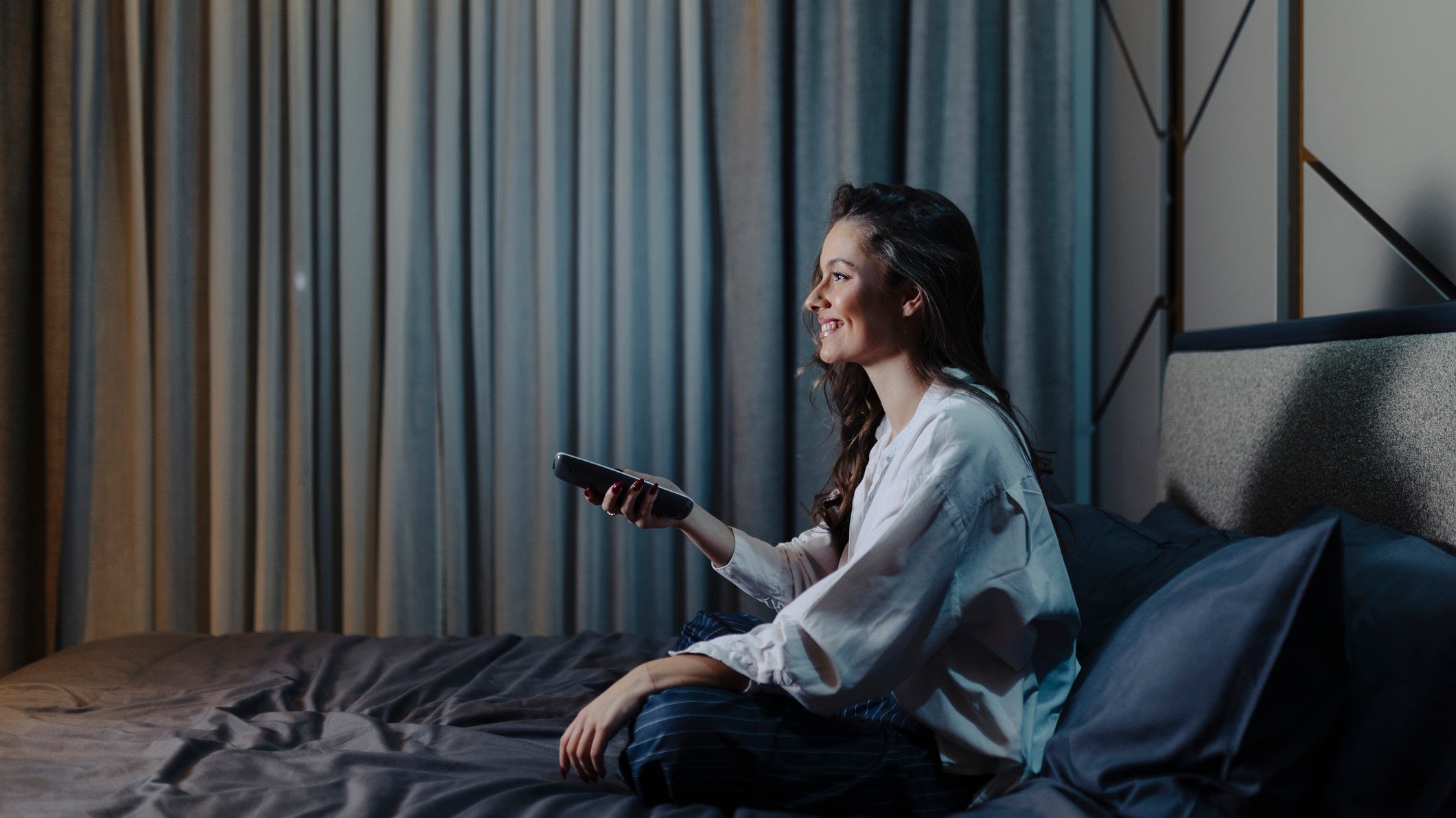
Television, Sleep, and Human Performance: What the Science Really Tells Us
Television is part of many people’s nightly wind-down, but its impact on sleep is more complex than most realise. Screen type, brightness, content, and timing all influence whether TV helps...
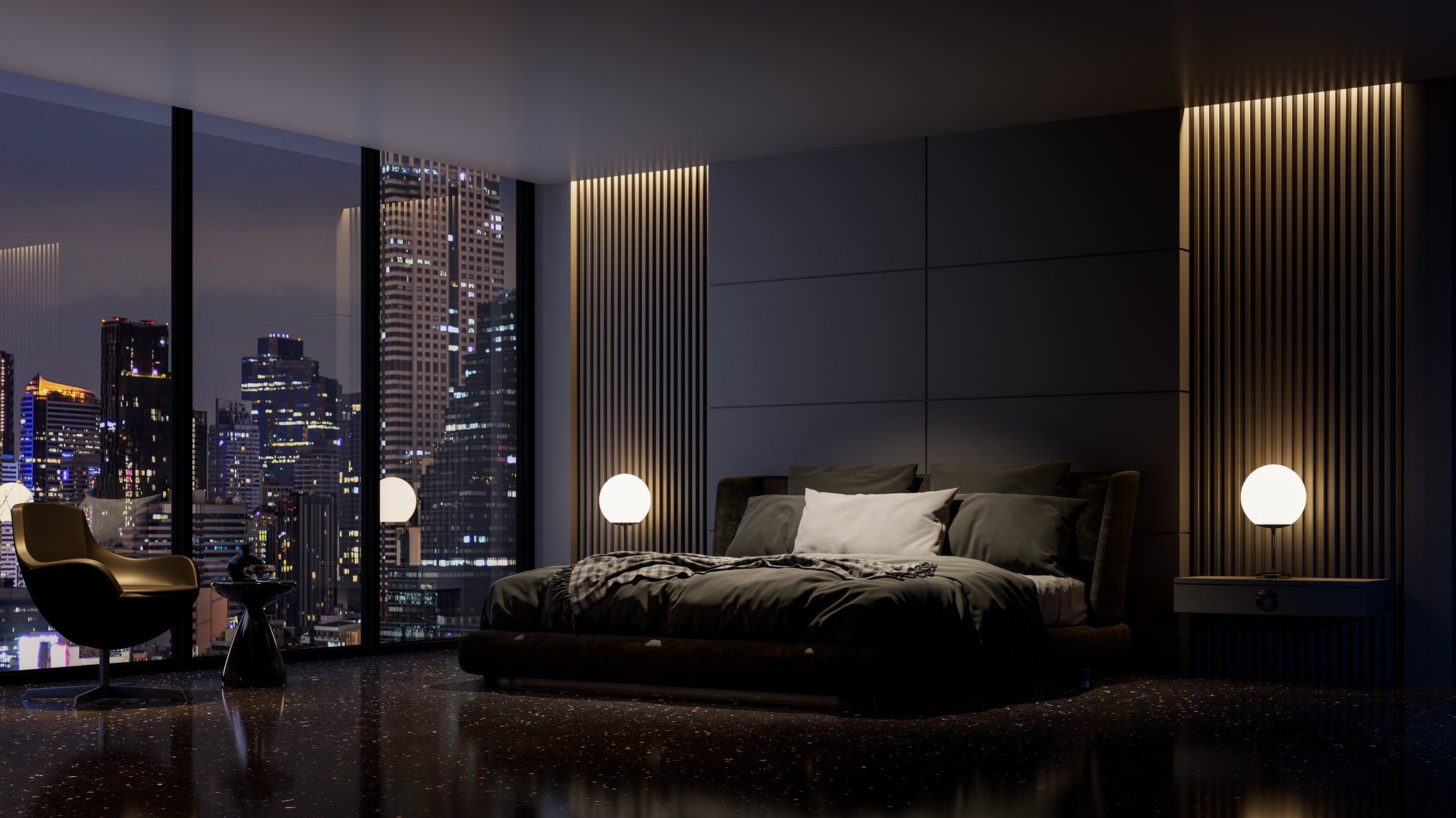
Sleep Tourism: Why Rest Is Becoming the Real Luxury (and the Next Competitive Edge)
Sleep tourism is transforming how we travel. No longer about indulgence or adventure alone, the new luxury is restoration. This article explores the science, industry shifts, and practical applications behind...
Why Circadian Rhythms Are the Foundation of Human Performance
Circadian rhythms are more than sleep–wake cycles, they are the foundation of human performance. From morning focus to evening recovery, your body runs on rhythm. This post explores the science...

Is Your Office Environment Driving You to Drugs and Alcohol?
Poor office lighting is more than an inconvenience, it disrupts circadian rhythms, drives fatigue, and fuels reliance on caffeine and alcohol. This article explores the science behind lighting, mood, and...

Performance Hospitality: What Is Still Being Overlooked
The hospitality industry is in the midst of a significant evolution. Wellness is no longer a niche feature or optional add-on. It is becoming a central pillar of the guest...
The Role of B Vitamins in Light Sensitivity and Circadian Regulation
B vitamins, especially riboflavin (B2), pyridoxine (B6), and methylcobalamin (B12), play a vital role in how our bodies process light and regulate internal rhythms. While they’re best known for supporting...
