

The fly-away finale: nine races that will move your body clock
Eight flyaway races, time zones swinging from seven hours ahead to eight hours behind. Phil Learney on what the season finale does to the body clock, how the crew manage...

You’re Not Recovered. You Just Feel Better.
Most travellers judge recovery by how they feel after a flight. Science shows that’s misleading. Sleep duration may recover within days, but circadian timing and sleep quality can remain disrupted...
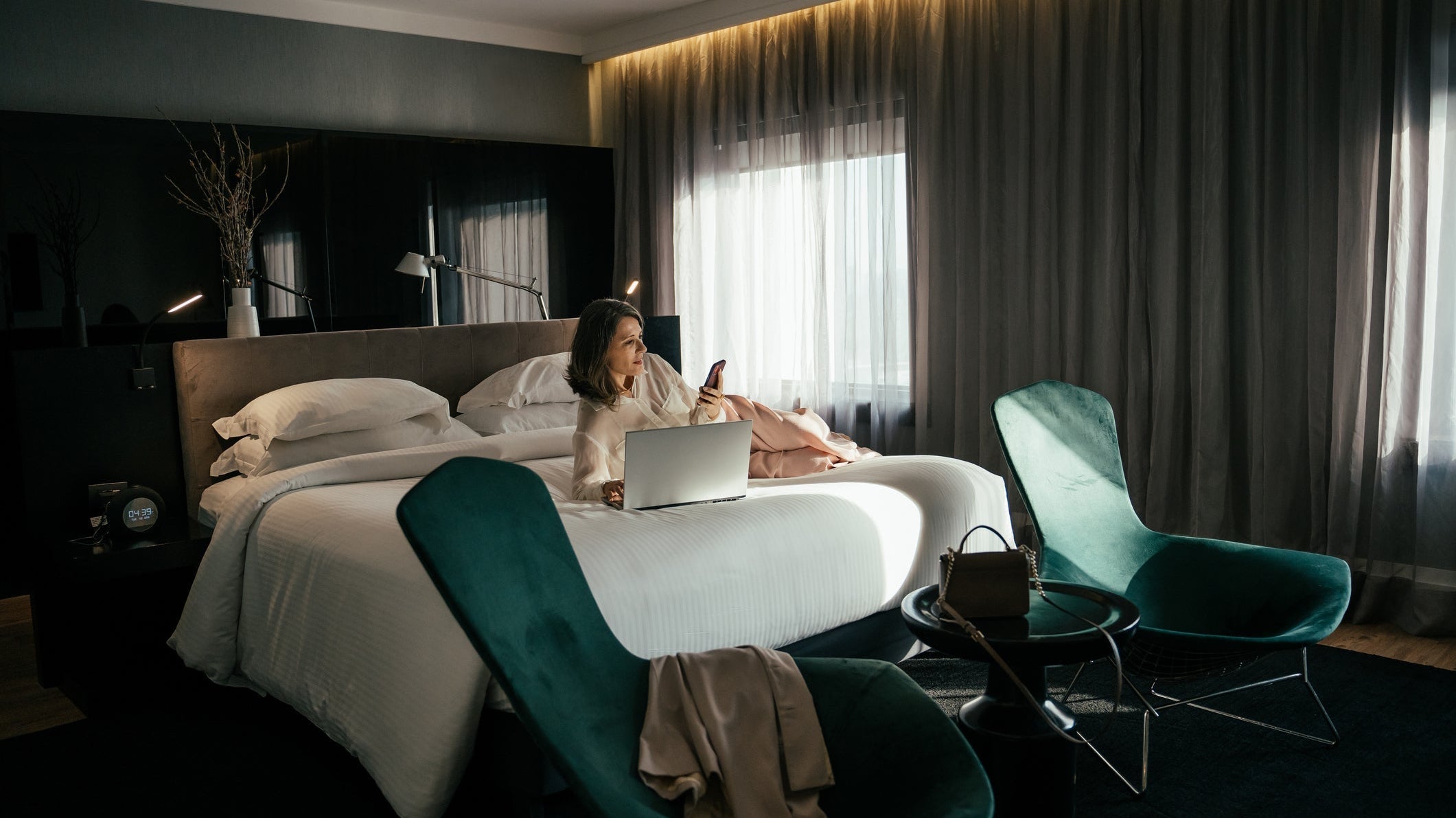
The First-Night Effect: Why We Sleep Poorly in New Environments
The First-Night Effect is a neurobiological safeguard that keeps one half of your brain more alert in unfamiliar environments. While adaptive, it disrupts recovery. This article explores the science and...
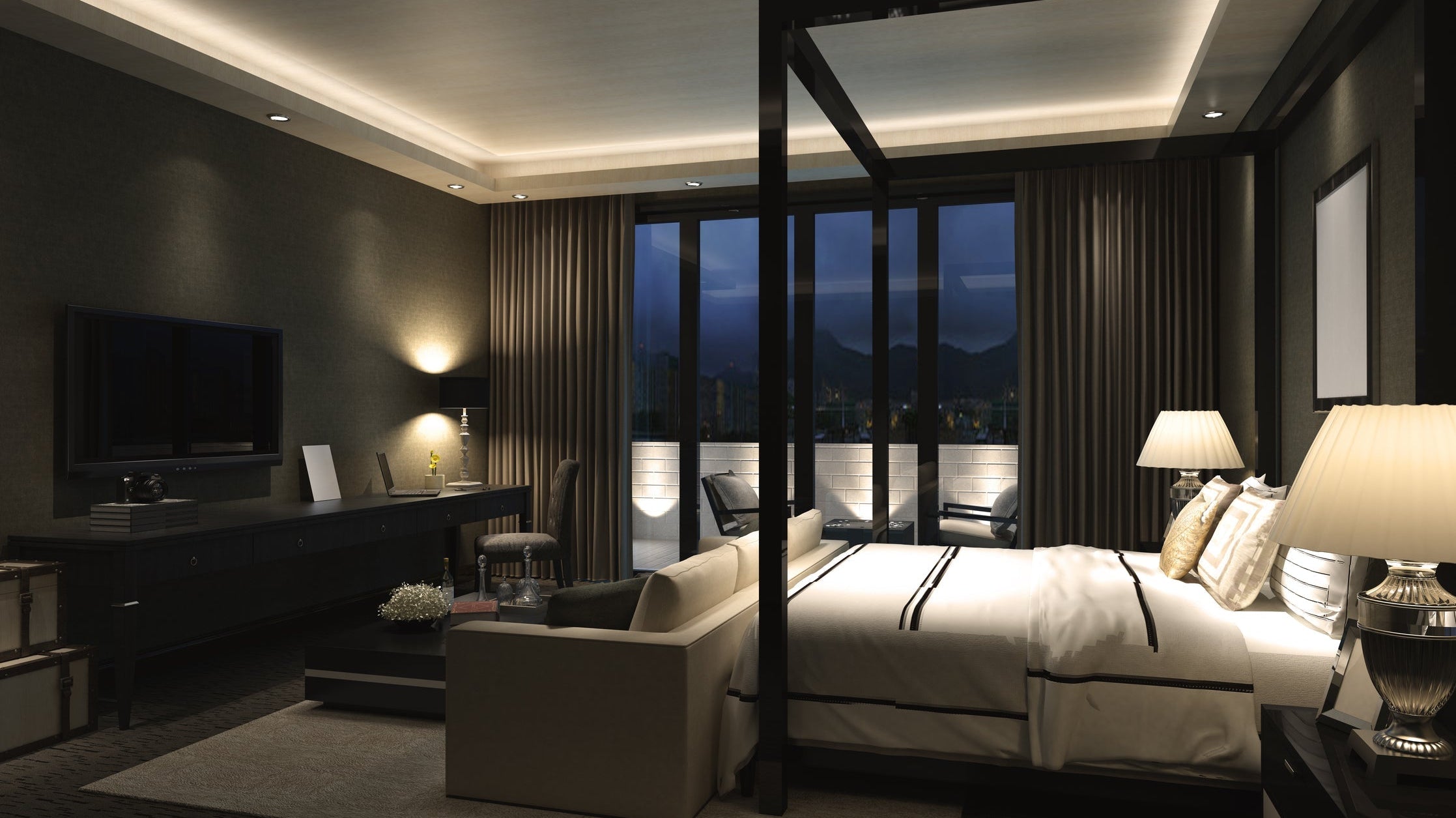
Travel Sleep Optimisation: How to Extend Home into the Hotel
Frequent travel doesn’t have to derail your sleep. By replicating familiar cues, temperature, scent, light, and routine—you can trick the nervous system into perceiving safety and calm, even in a...
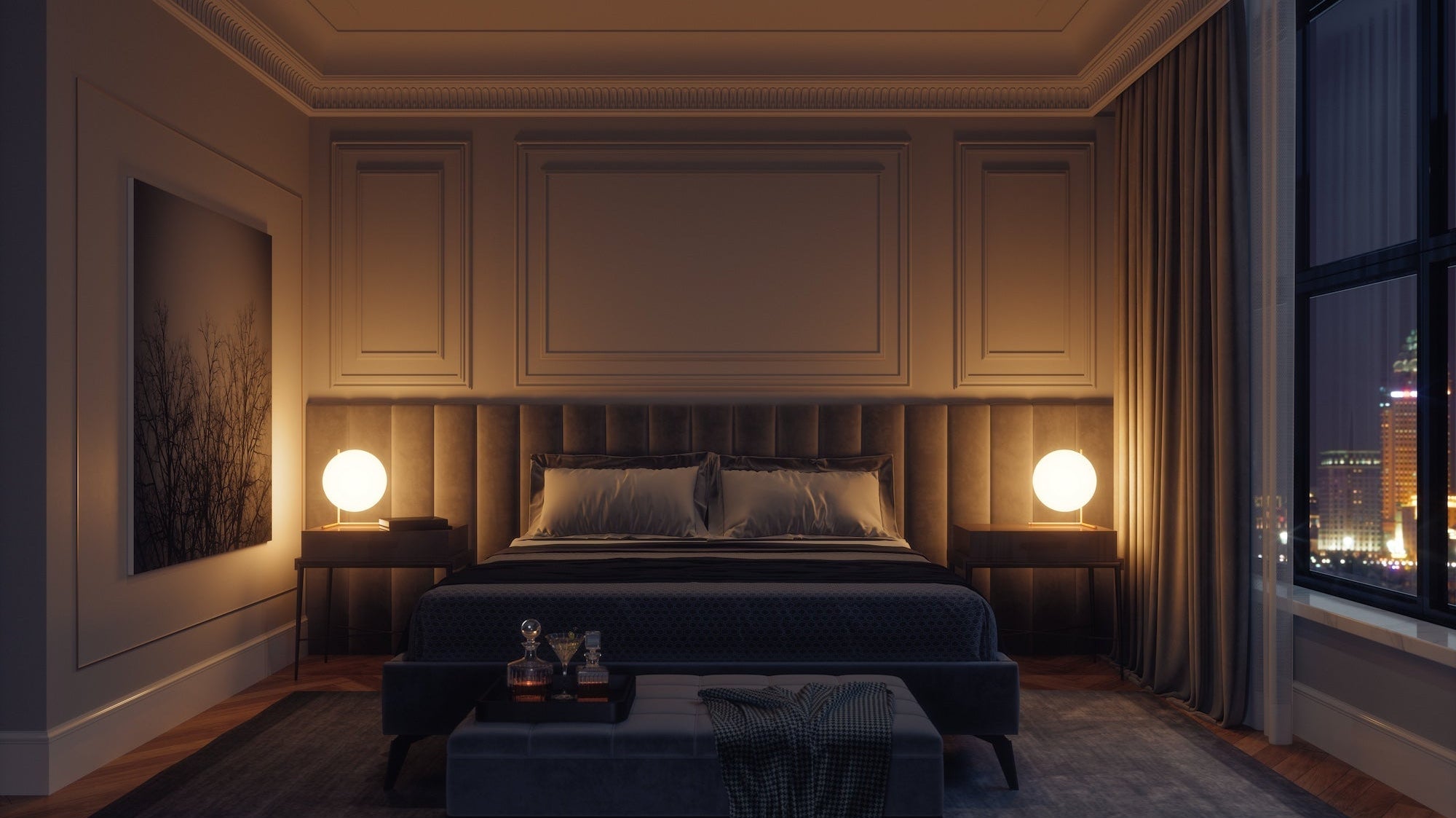
Sleep Tourism: Why Your Hotel Stay Could Be the Key to Better Rest
The travel industry is evolving, and one of the most significant shifts we’re seeing isn’t just about the destinations – it’s about the experience of rest. Sleep tourism is emerging...
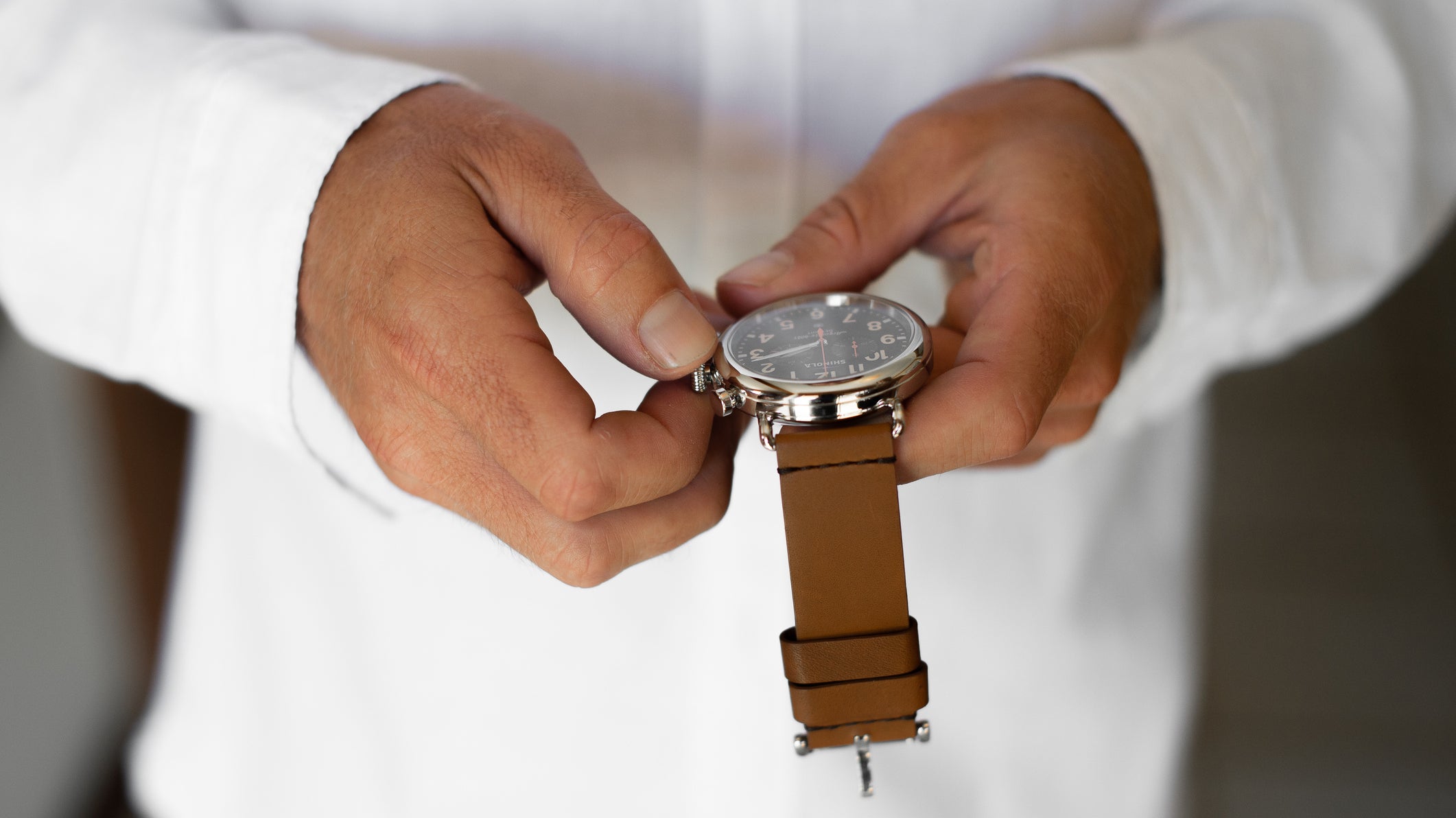
The Consequence of Daylight Savings
This weekend, we will experience another form of jet lag as we will be part of a seasonal clock change. On 27 October, the clocks will turn back by one...
