


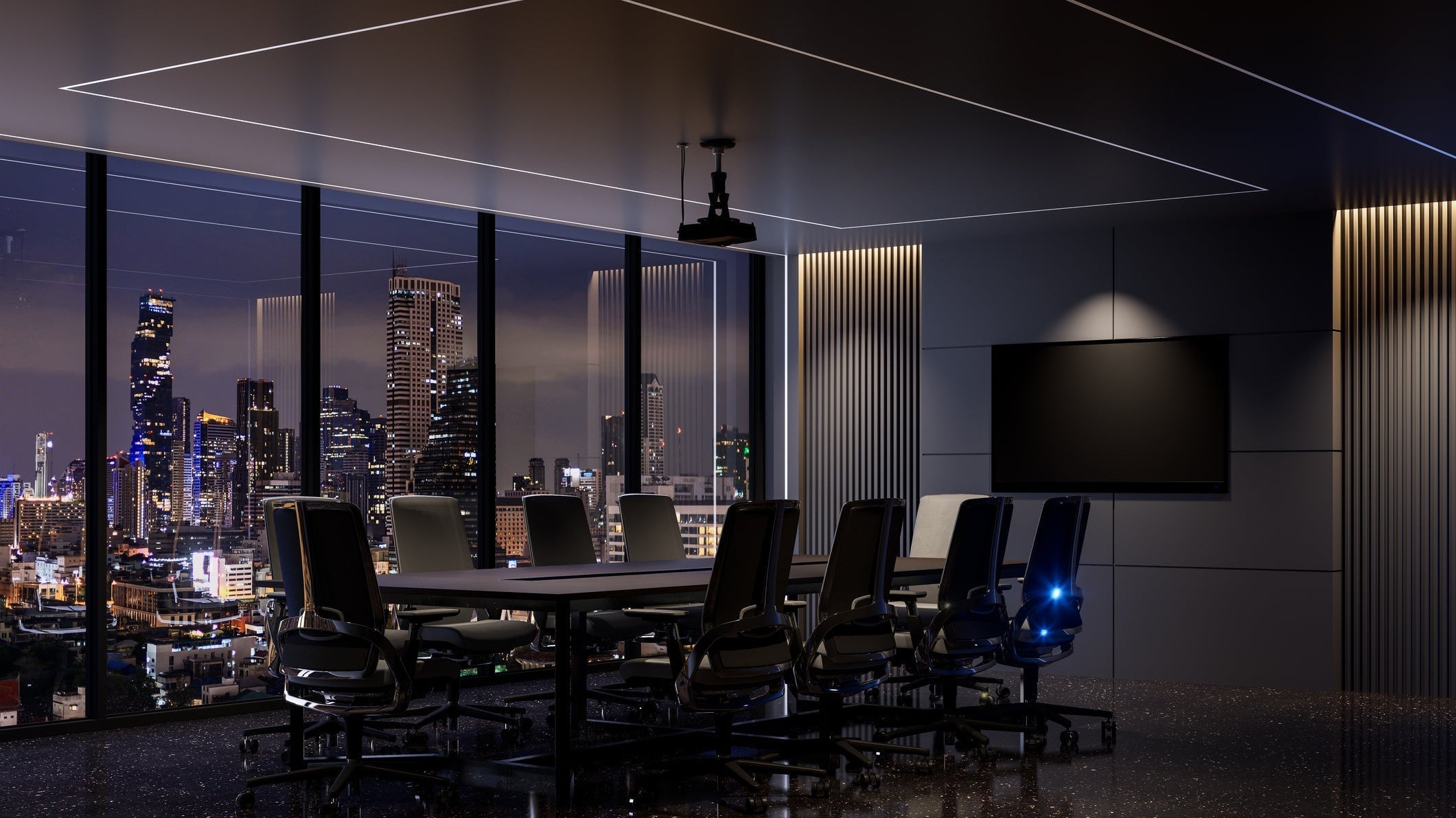
Rethinking Meeting Rooms: From Space to Performance Tool
Most meeting rooms weren’t designed for human biology. They were designed because “we need meeting rooms.” But in 2025, that’s not enough. Light, temperature, and circadian science now define whether...

Why In-Room Workouts Aren’t the Future of Wellness in Hospitality
In-room workouts may look like a convenient wellness solution, but science shows they fail both recovery and performance. Hotel rooms are designed for rest, not training, and this mismatch exposes...
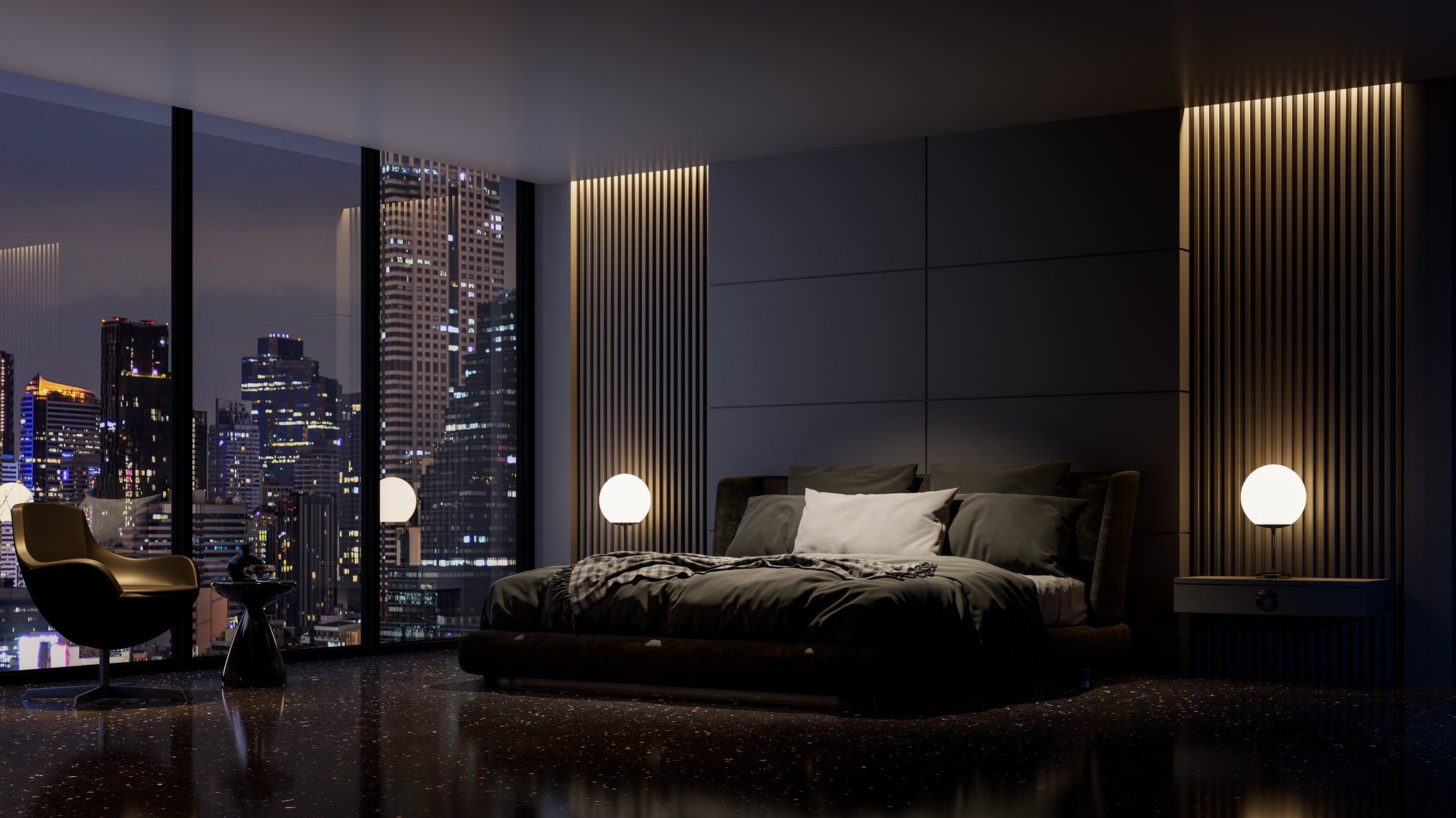
Sleep Tourism: Why Rest Is Becoming the Real Luxury (and the Next Competitive Edge)
Sleep tourism is transforming how we travel. No longer about indulgence or adventure alone, the new luxury is restoration. This article explores the science, industry shifts, and practical applications behind...

Why Social Jet Lag Is as Damaging as Travel Jet Lag
Social jet lag is the hidden disruptor of modern life. Mimicking the effects of travel across time zones, it erodes energy, focus, and recovery week after week. This post explains...

Tradition, Transition, and the Future of Hospitality: Coffee, Alcohol, and the Rise of Wellness Demands
Hospitality has always been anchored by tradition, with coffee and alcohol at its core. But shifting generational demands are reshaping the landscape. Wellness-conscious consumers now seek balance, quality, and alternatives....
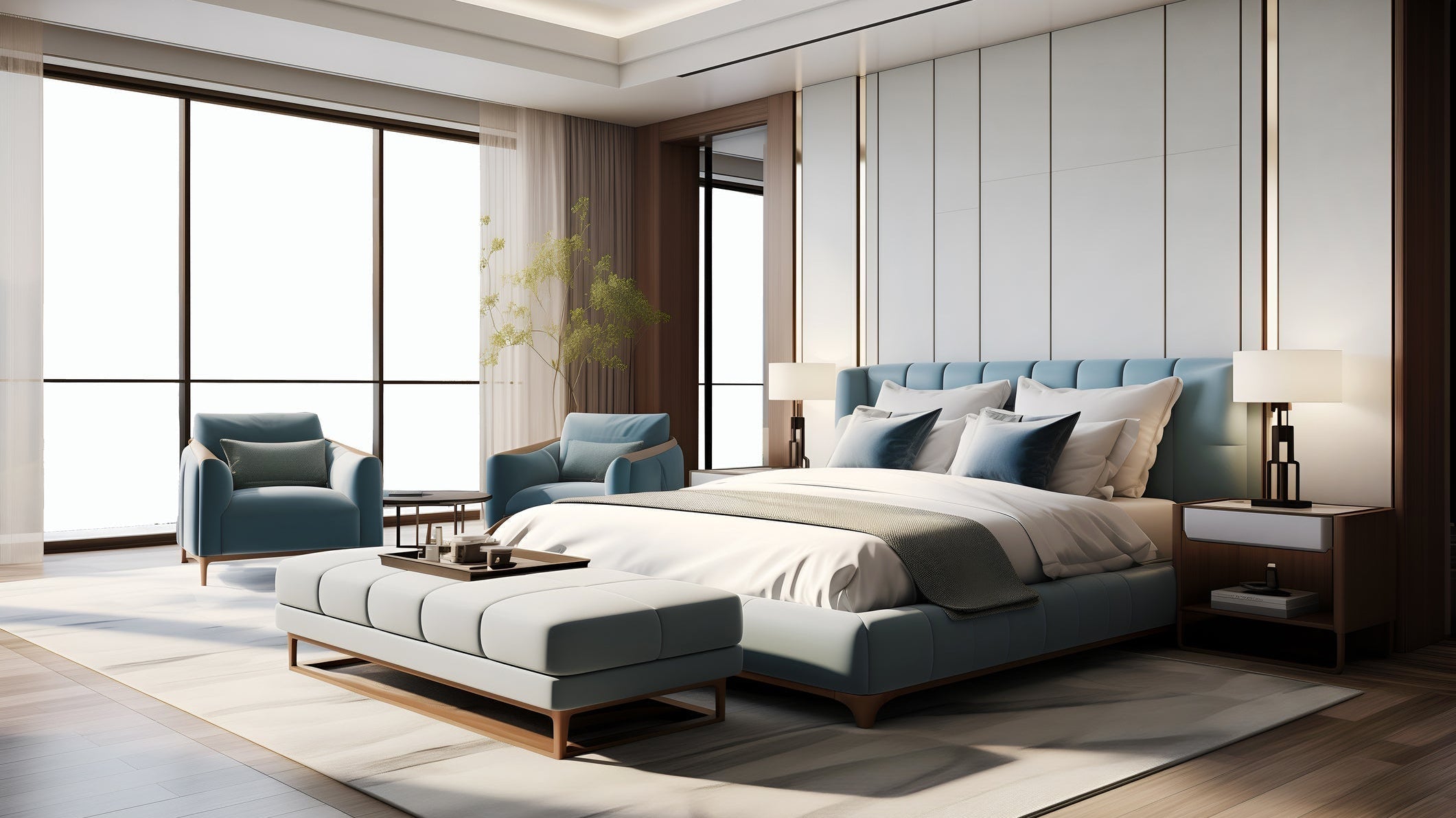
A Scientific Guide to Mattress Selection: Why Temperature Matters
Discover the science behind sleep temperature and mattress selection. Learn how airflow, materials, and new technologies influence thermoregulation, deep sleep, and recovery.

Hydration to Full-Circle Wellness: The Next Frontier in Air Travel
With British Airways recently announcing that it is listing a hydration solution as part of its short-haul offering, this signals a growing shift in how the travel industry is addressing...

HMN24 in Hospitality: The Operating System for Biologically Intelligent Wellness
HMN24 isn’t just a supplement brand. It’s a neuroscience-led system designed around three core principles: Circadian Modulation, Jet Lag Mitigation, and Arousal State Management. We’ve developed protocols trusted by elite...

Performance Hospitality: What Is Still Being Overlooked
The hospitality industry is in the midst of a significant evolution. Wellness is no longer a niche feature or optional add-on. It is becoming a central pillar of the guest...
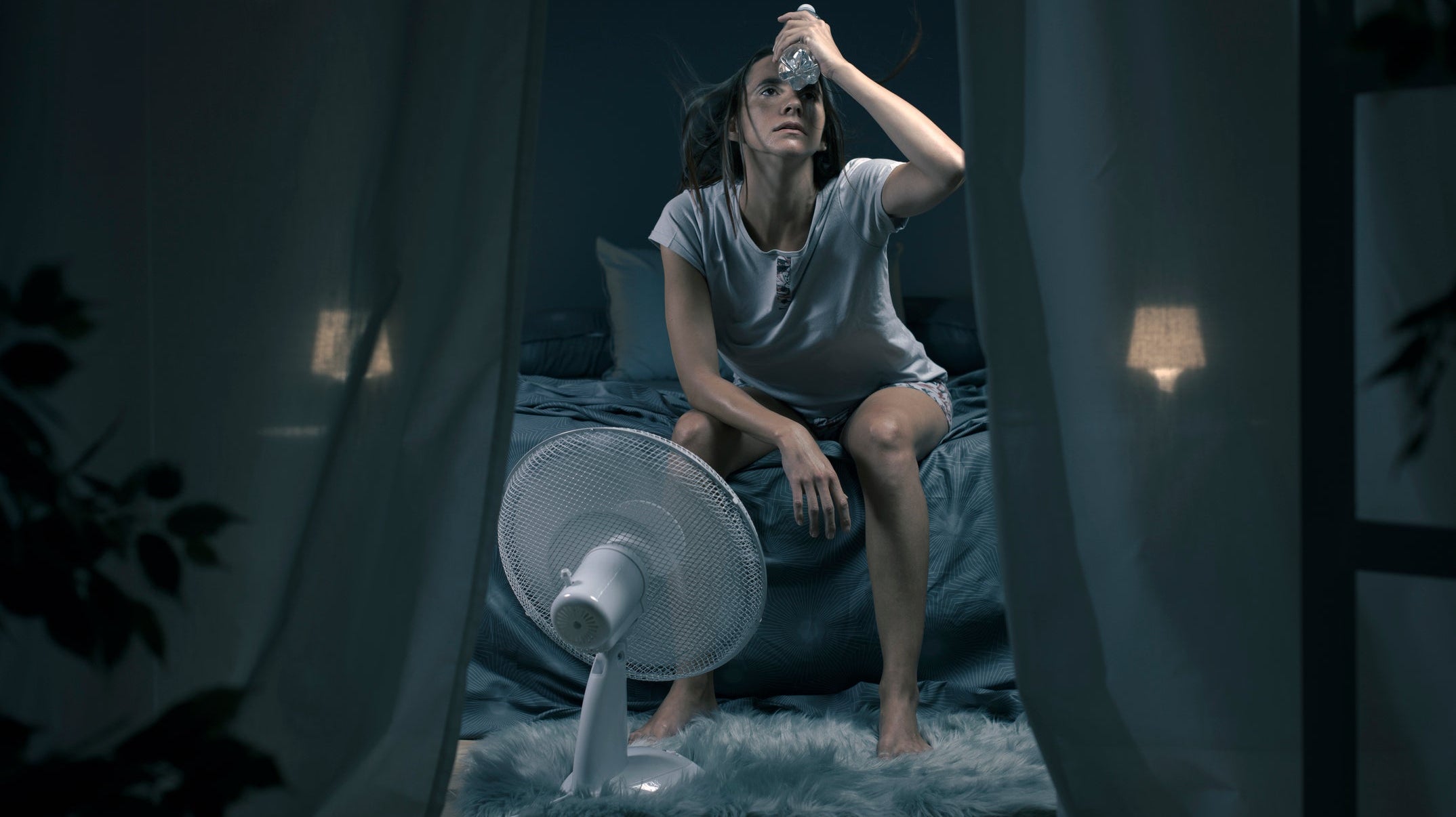
The Temperature-Sleep Connection: A Foundational Regulator of Rest and Recovery
The interplay between core body temperature, bedding, ambient environment, and emerging thermoregulation technology represents a foundational pillar of sleep health. By understanding and manipulating these variables, through smart material choices,...
