The Science Your Meeting Room Is Getting Wrong

The Science Your Meeting Room Is Getting Wrong

Most meeting rooms are designed for convenience, not cognition. Rising carbon dioxide, poor ventilation and environmental load quietly shut down the human brain long before the meeting agenda does. This article breaks down the science and explains why performance starts with the air we breathe.

The Hidden Architecture of Sleep: Why Three Microclimates Determine How Well You Rest

The Hidden Architecture of Sleep: Why Three Microclimates Determine How Well You Rest

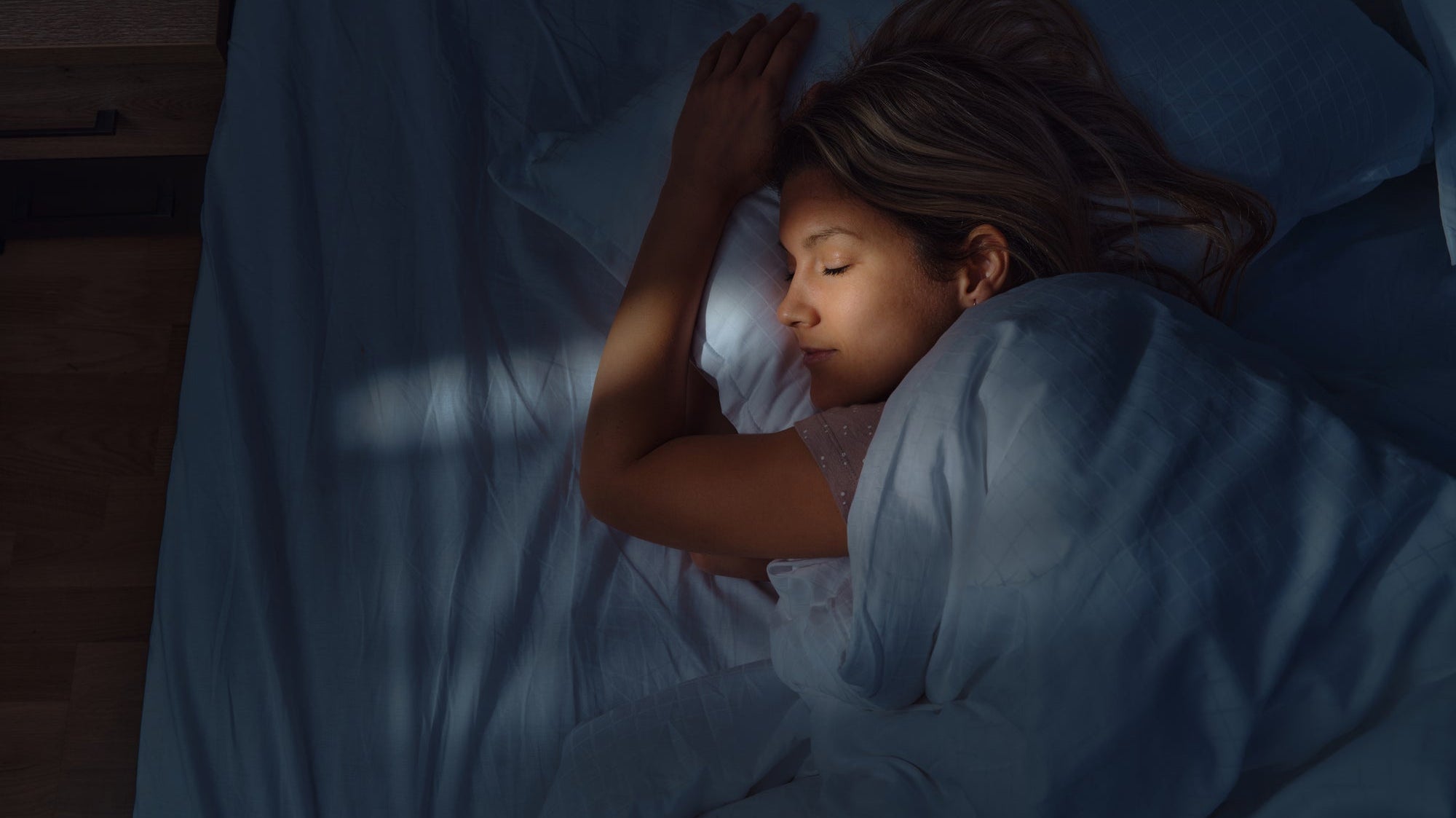
You don’t sleep on a mattress,  you sleep inside three thermal microclimates that sit between your body, your clothing and your bedding. These microclimates determine how quickly you fall asleep, how deeply you stay asleep and how well you recover. This piece explains the science, the technologies that improve it, and how to optimise your environment even without tech.

The Science of Scent

The Science of Scent

Scent is one of the fastest ways the environment communicates with the nervous system. Some aromas cue safety and calm, while others quietly elevate stress. This article breaks down the science behind scent, why familiarity matters, which aromas soothe versus stimulate, and how to design scent environments for performance, sleep, and recovery.

The Rise of Outcome-Based Hospitality: From Comfort to Human Performance

The Rise of Outcome-Based Hospitality: From Comfort to Human Performance

The hospitality industry is entering a new era,  one where the value of a stay is defined not by comfort or amenities, but by measurable improvements in how guests feel and function. Wellness experience data is enabling hotels to personalise recovery, optimise environments, and create stays that genuinely restore human performance.

The Rise of Social Wellness: How Generations Rebuild Ritual and Belonging

The Rise of Social Wellness: How Generations Rebuild Ritual and Belonging

The rituals that shape social life are changing.
Where Baby Boomers bonded in pubs and Millennials built identity through curated experiences, Gen Z is seeking presence, clarity, and shared grounding.
This generational evolution signals a shift toward Social Wellness,  a new way of gathering that prioritises emotional connection, nervous system regulation, and belonging without the biological cost.

Environmental Literacy: The Missing Competency in Wellness and High Performance

Environmental Literacy: The Missing Competency in Wellness and High Performance

Modern wellness often focuses on what happens inside the body, diet, sleep, and exercise,  while ignoring the world around it.

This article explores why environmental literacy, understanding how air, light, temperature, sound, and spatial design shape physiology—is emerging as the missing skillset in wellness and performance. It argues that to truly optimise humans, we must first optimise the environments they inhabit.

The Temperature Effect: How Morning Warmth and Cold Shape Your Day

The Temperature Effect: How Morning Warmth and Cold Shape Your Day

Your body temperature follows a powerful circadian rhythm that determines how you wake, focus, and recover. In this article we explore the science behind morning warmth and cold exposure, revealing how these simple cues can transform alertness, mood, and daily performance.

The Science of Sound: How Biophilic Soundscapes Are Improving Health, Focus, and Recovery

The Science of Sound: How Biophilic Soundscapes Are Improving Health, Focus, and Recovery

Natural soundscapes, birdsong, ocean waves, forest ambience—are no longer just background relaxation. Research shows they reduce stress, improve focus, and support circadian health across healthcare, workplaces, hospitality, and personal recovery.

The First-Night Effect: Why We Sleep Poorly in New Environments

The First-Night Effect: Why We Sleep Poorly in New Environments

The First-Night Effect is a neurobiological safeguard that keeps one half of your brain more alert in unfamiliar environments. While adaptive, it disrupts recovery. This article explores the science and practical ways to minimise its impact.

Cold Water Immersion: Dosage, Sex Differences, and Practical Frameworks

Cold Water Immersion: Dosage, Sex Differences, and Practical Frameworks

Cold water immersion is one of the most effective tools for recovery and mental resilience, but only when dosed correctly. This article explores the science of time × temperature, how men and women differ in cold response, and how to apply progression plans that maximise benefits while minimising risks.

Travel Sleep Optimisation: How to Extend Home into the Hotel

Travel Sleep Optimisation: How to Extend Home into the Hotel

Frequent travel doesn’t have to derail your sleep. By replicating familiar cues, temperature, scent, light, and routine—you can trick the nervous system into perceiving safety and calm, even in a hotel room. Our latest article explores the science behind travel sleep optimisation and offers practical steps for high performers to protect recovery on the move.

Rethinking Sleep Timing: Unlocking Human Performance Through When, Not Just How Much

Rethinking Sleep Timing: Unlocking Human Performance Through When, Not Just How Much

Sleep isn’t just about duration. Emerging research shows that earlier, consistent sleep timing is critical for next-day energy, movement, and focus. In this article, Phil Learney explores the science of circadian alignment, its impact on performance, and what it means for athletes, professionals, and everyday health.