

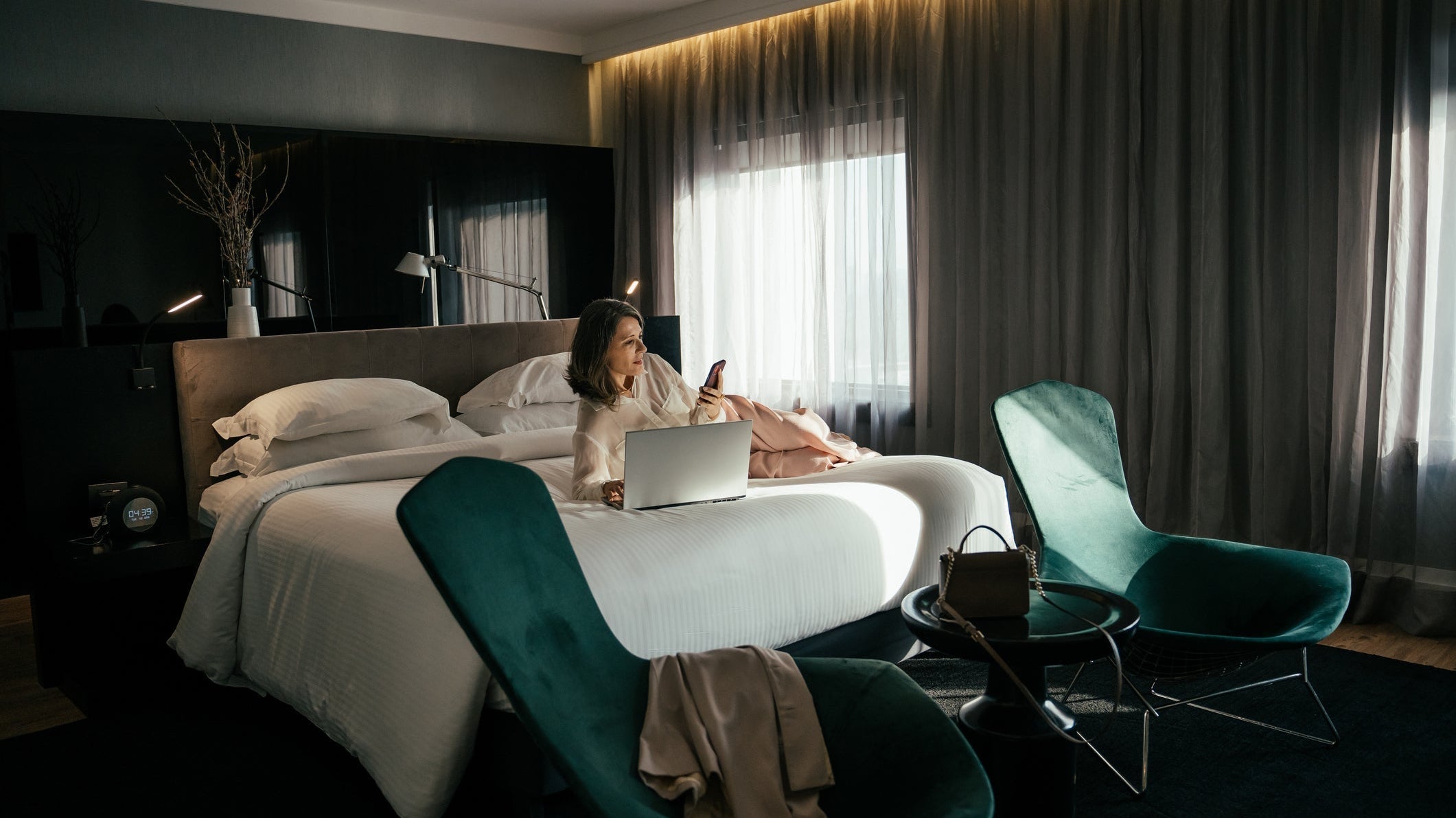
The First-Night Effect: Why We Sleep Poorly in New Environments
The First-Night Effect is a neurobiological safeguard that keeps one half of your brain more alert in unfamiliar environments. While adaptive, it disrupts recovery. This article explores the science and...
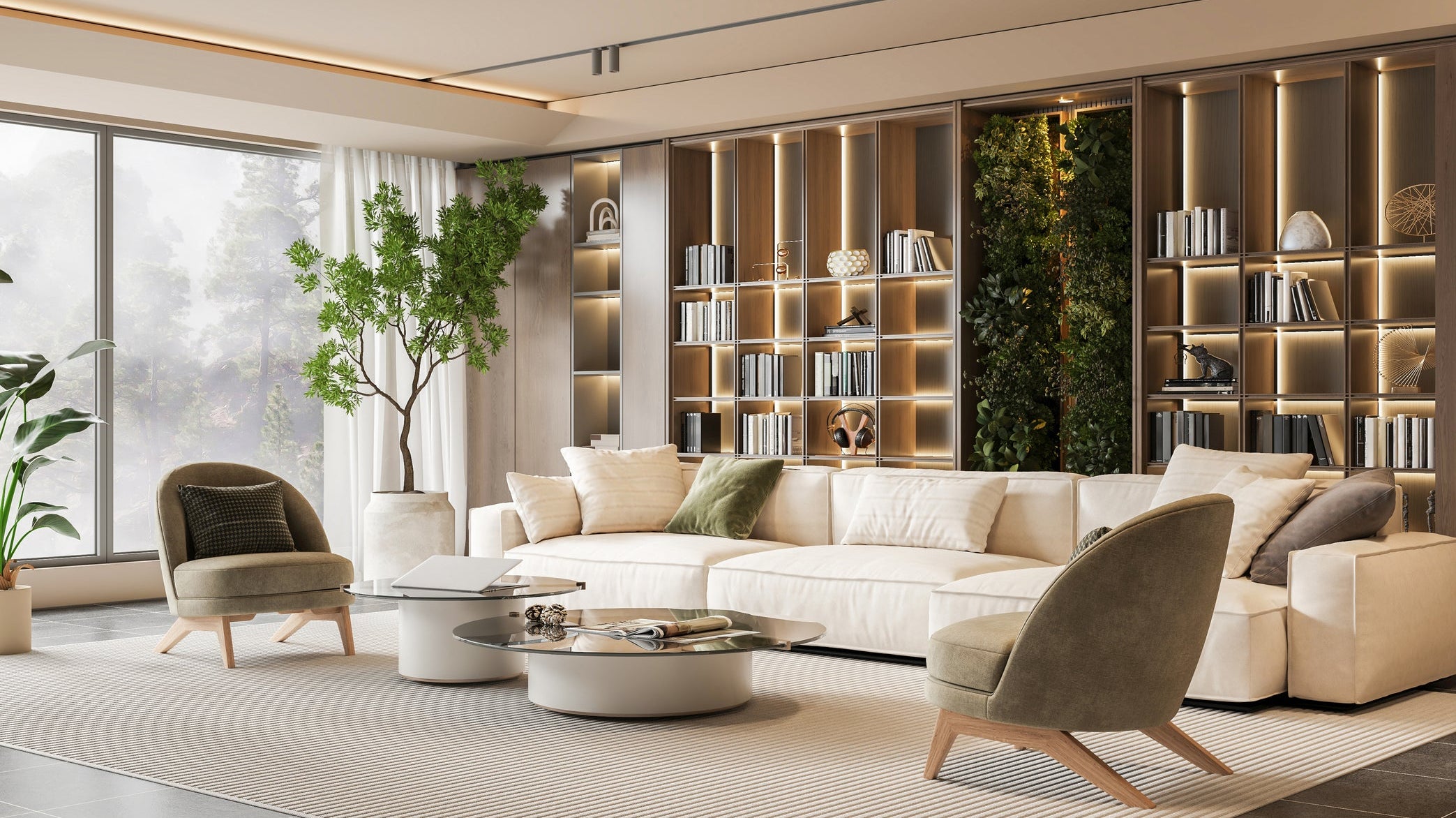
What We Need to Know About Biophilic Design
Biophilic design reconnects our built environments with nature. Research shows it reduces stress, boosts productivity, increases customer spending, and strengthens communities. This article explores the science, the economics, and why...
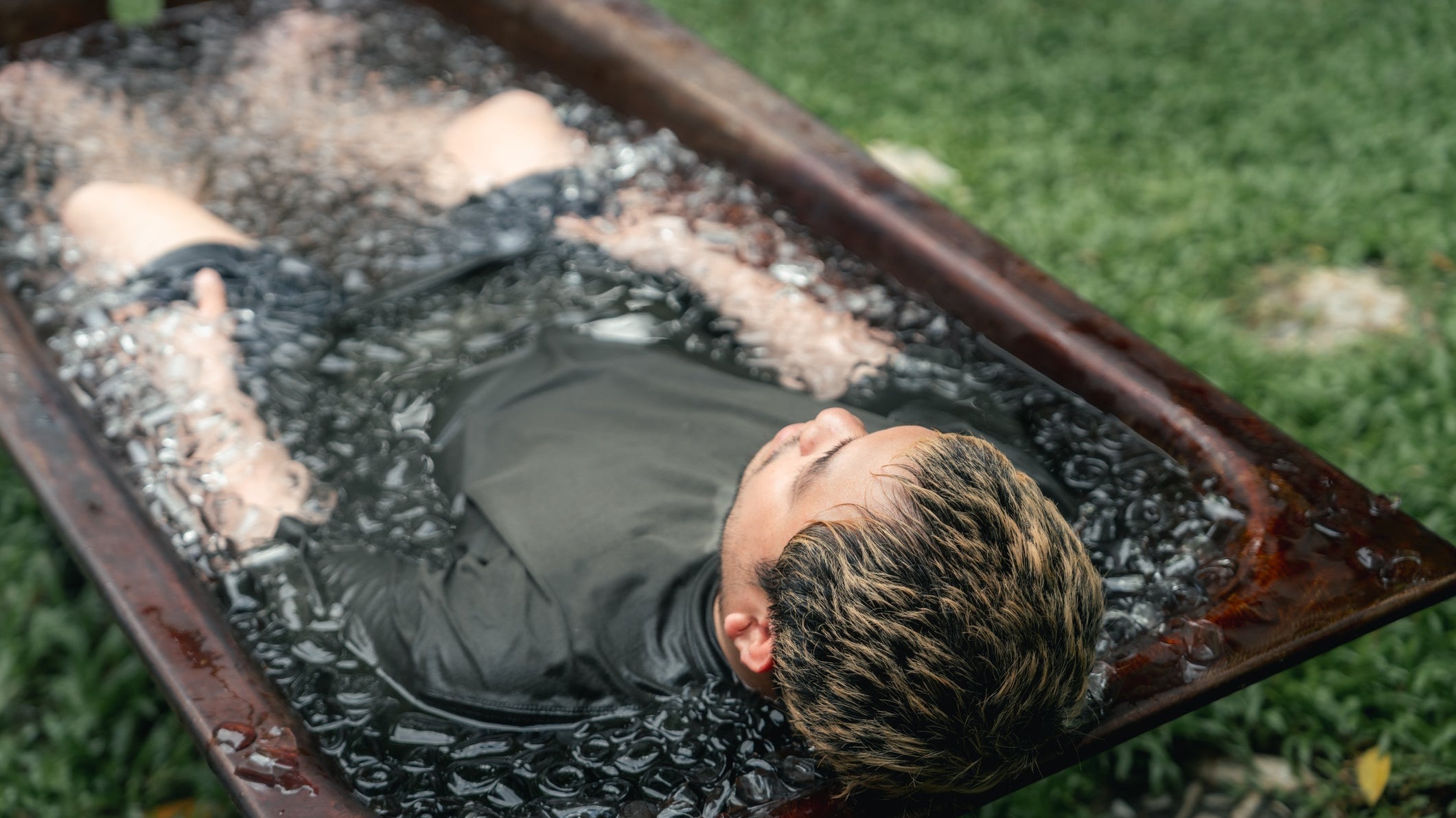
Cold Water Immersion: Dosage, Sex Differences, and Practical Frameworks
Cold water immersion is one of the most effective tools for recovery and mental resilience, but only when dosed correctly. This article explores the science of time × temperature, how...
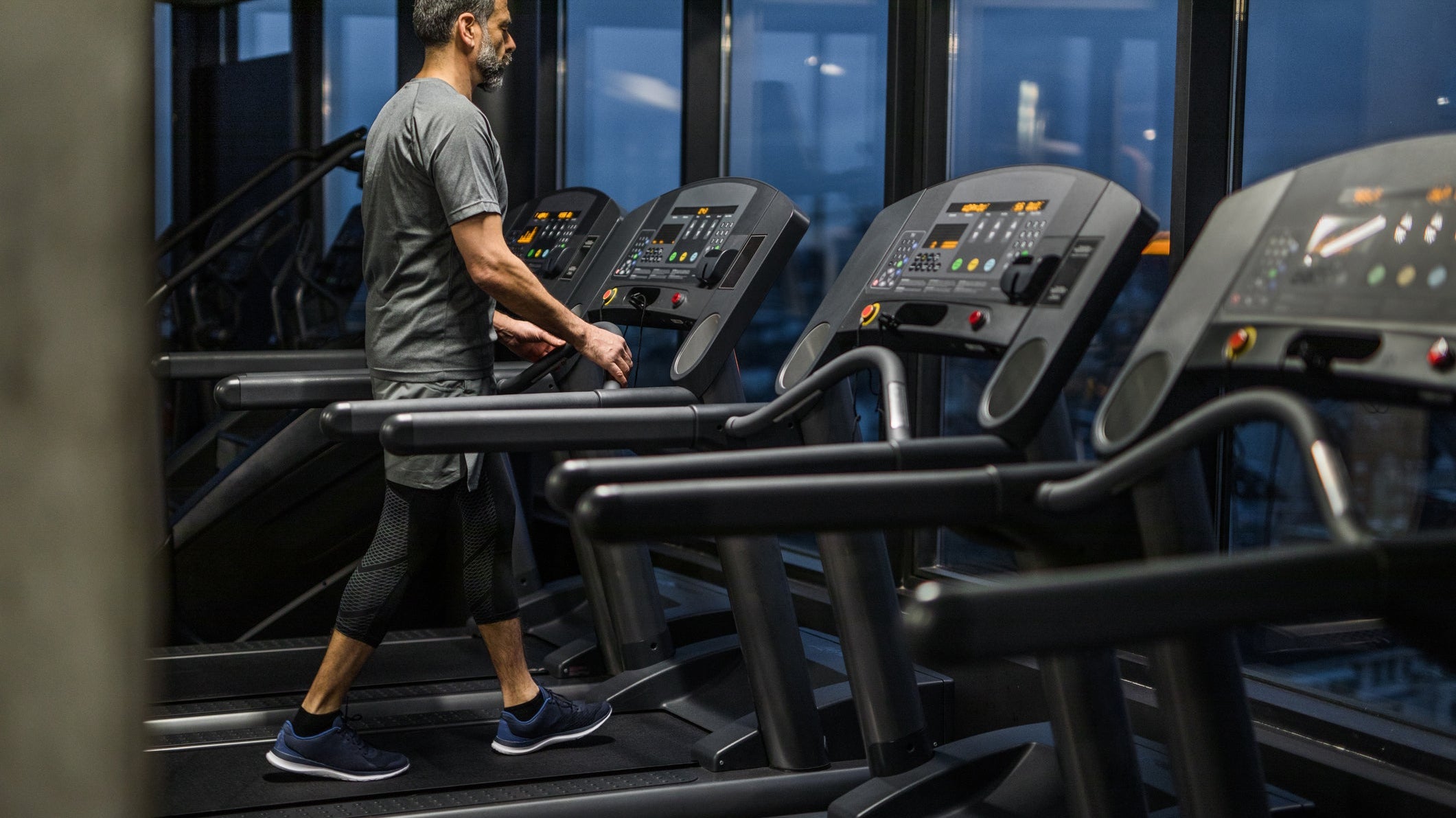
The Best Workout Timing for Quality Sleep
Exercise and sleep aren’t rivals, they’re partners. The time you train can either help you fall asleep faster and recover better, or leave you wired at night. This article breaks...
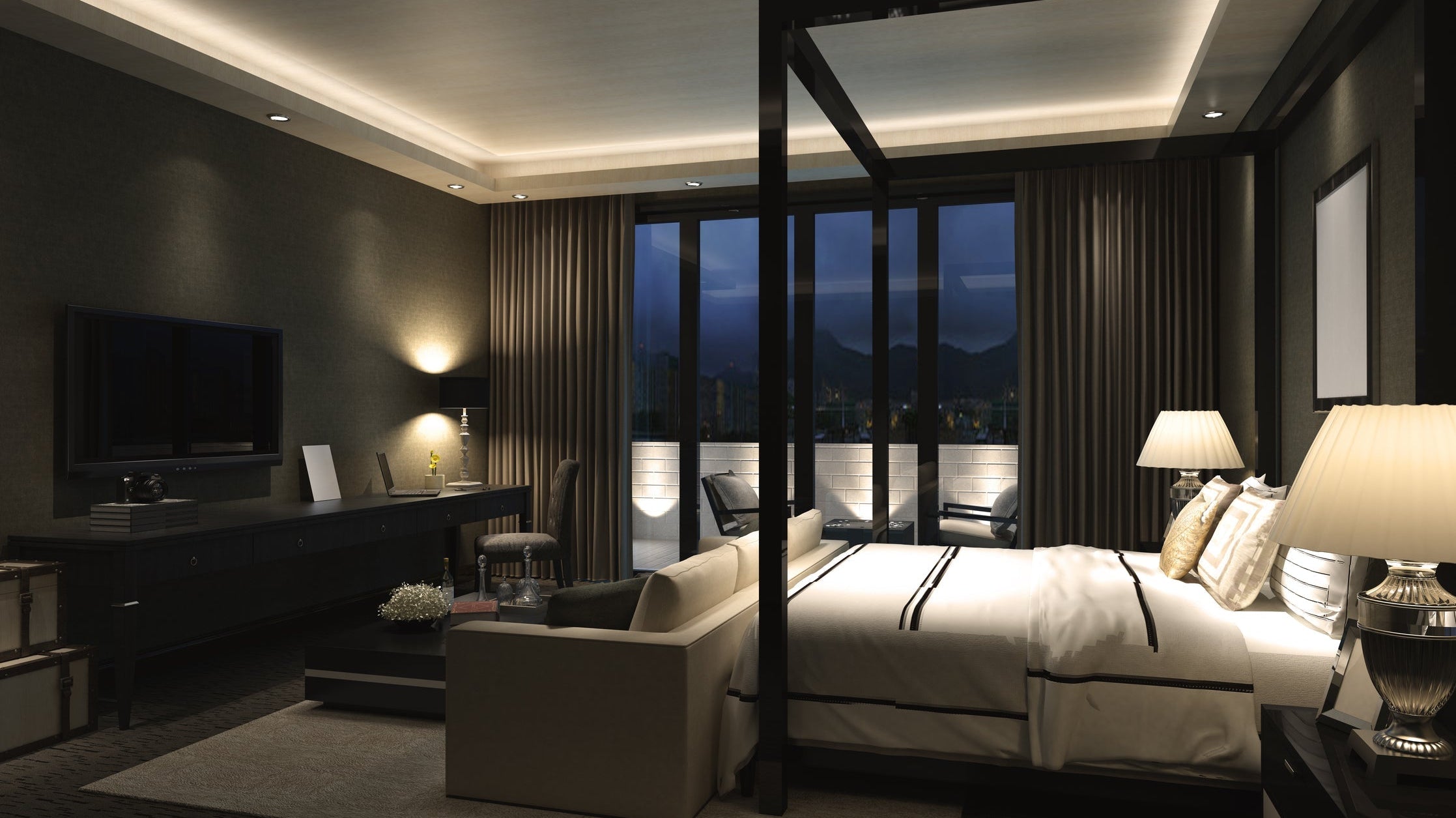
Travel Sleep Optimisation: How to Extend Home into the Hotel
Frequent travel doesn’t have to derail your sleep. By replicating familiar cues, temperature, scent, light, and routine—you can trick the nervous system into perceiving safety and calm, even in a...
From Crisis to Catalyst: What COVID Taught Us About Flexible Work and Human Performance
COVID forced the largest workplace experiment in history. The results were clear: flexible work improves productivity, reduces burnout, and supports wellbeing. The science was always there, but disruption made it...
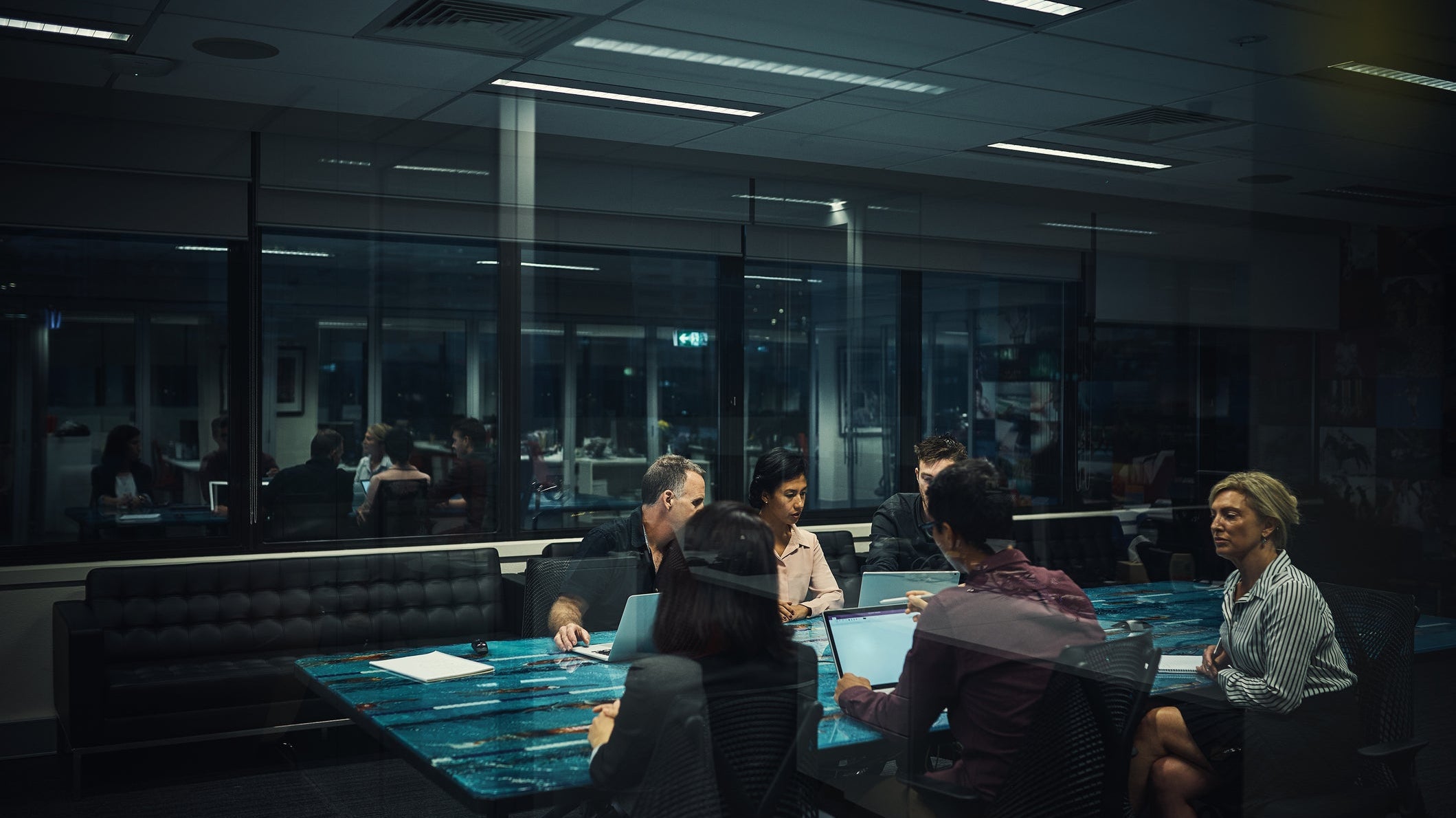
The Future Modern Workplace
The workplace has always reflected culture. Once powered by stimulants, long hours, and burnout, today it stands at a crossroads. The future modern workplace must balance activation and recovery, embedding...
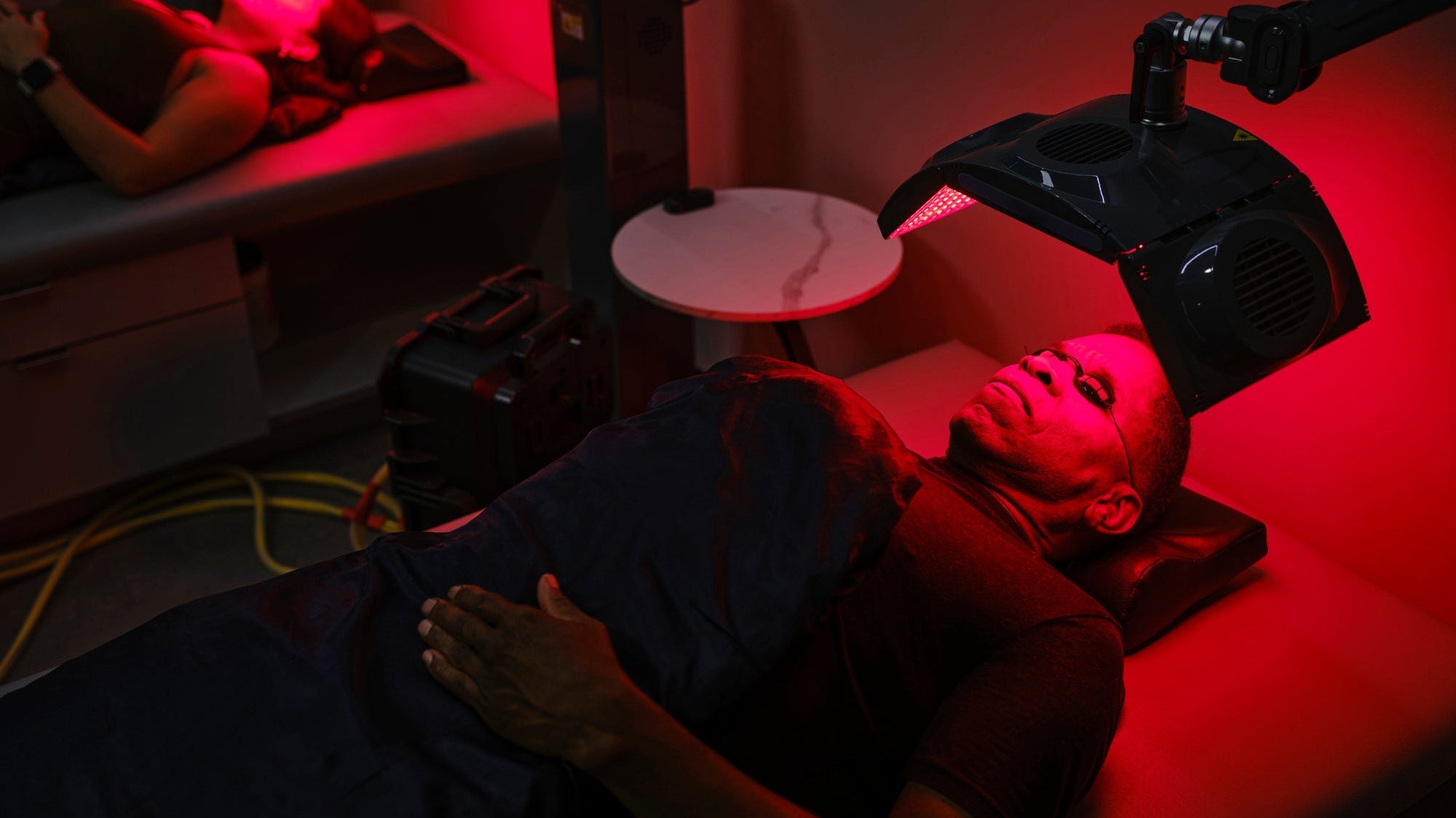
From Gatekeepers to Google: How Access to Science is Reshaping Health and Self-Care
Science has moved from the lab to the living room, empowering individuals to take control of their health. But with this access comes risk: misinformation, misinterpretation, and science-washing. In this...
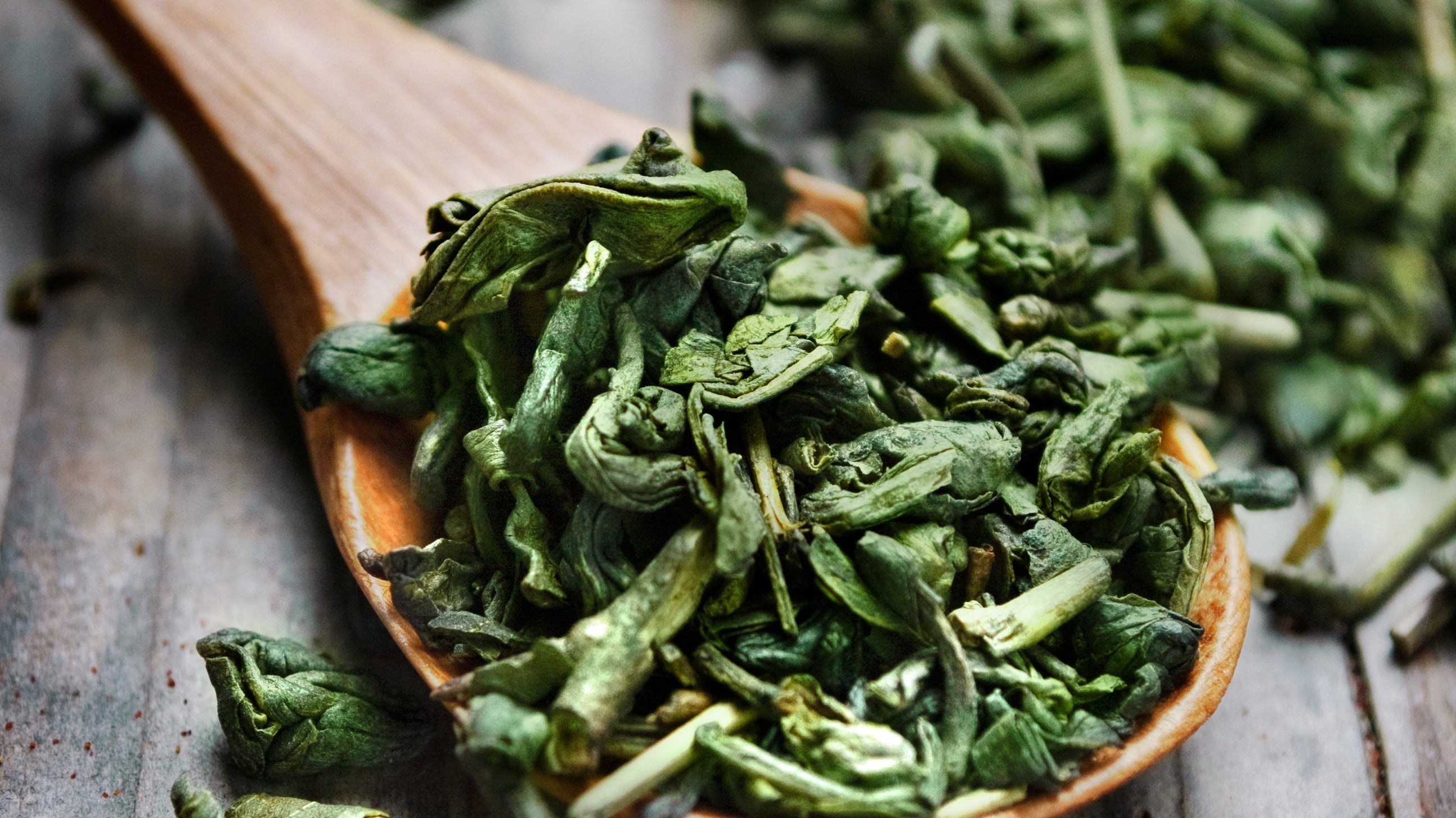
The Role of L-Theanine in RISE
Caffeine boosts alertness, but it can overstimulate the nervous system when used alone. L-theanine provides balance, creating calm focus, regulating neurotransmitters, and protecting circadian stability. Here’s why this synergy makes...
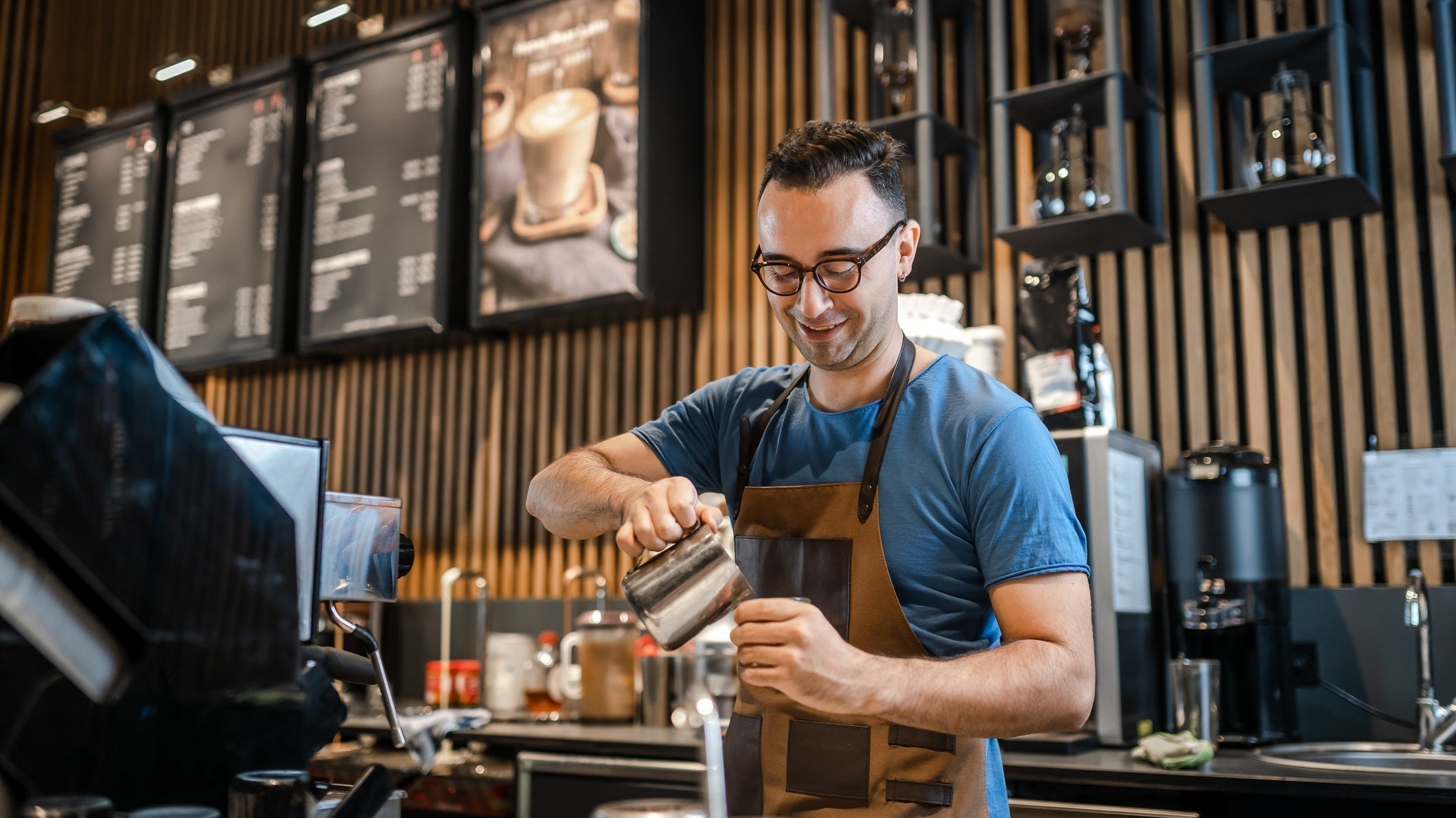
Why Your Afternoon Coffee Is Breaking Your Sleep
Caffeine fuels performance, but timing is everything. Afternoon caffeine disrupts circadian rhythm, narrows recovery, and traps you in the fatigue cycle. Here’s the science behind smarter stimulation.
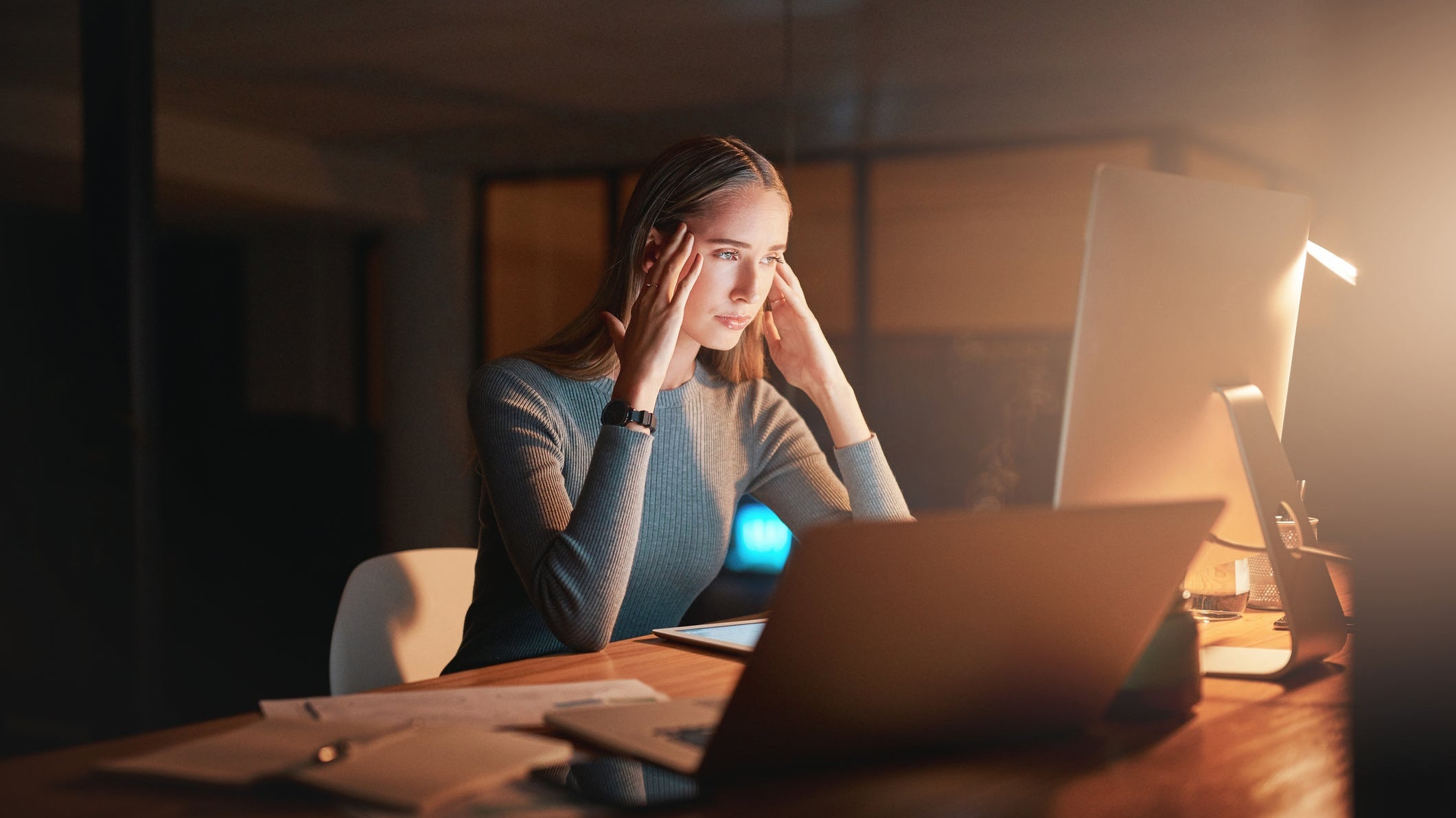
Nervous System Management: The Forgotten Foundation of Human Performance
Performance is no longer about effort alone it’s about nervous system regulation. This piece explores the arousal continuum, neurodivergence, and science-backed protocols that expand the “window of tolerance,” helping us...
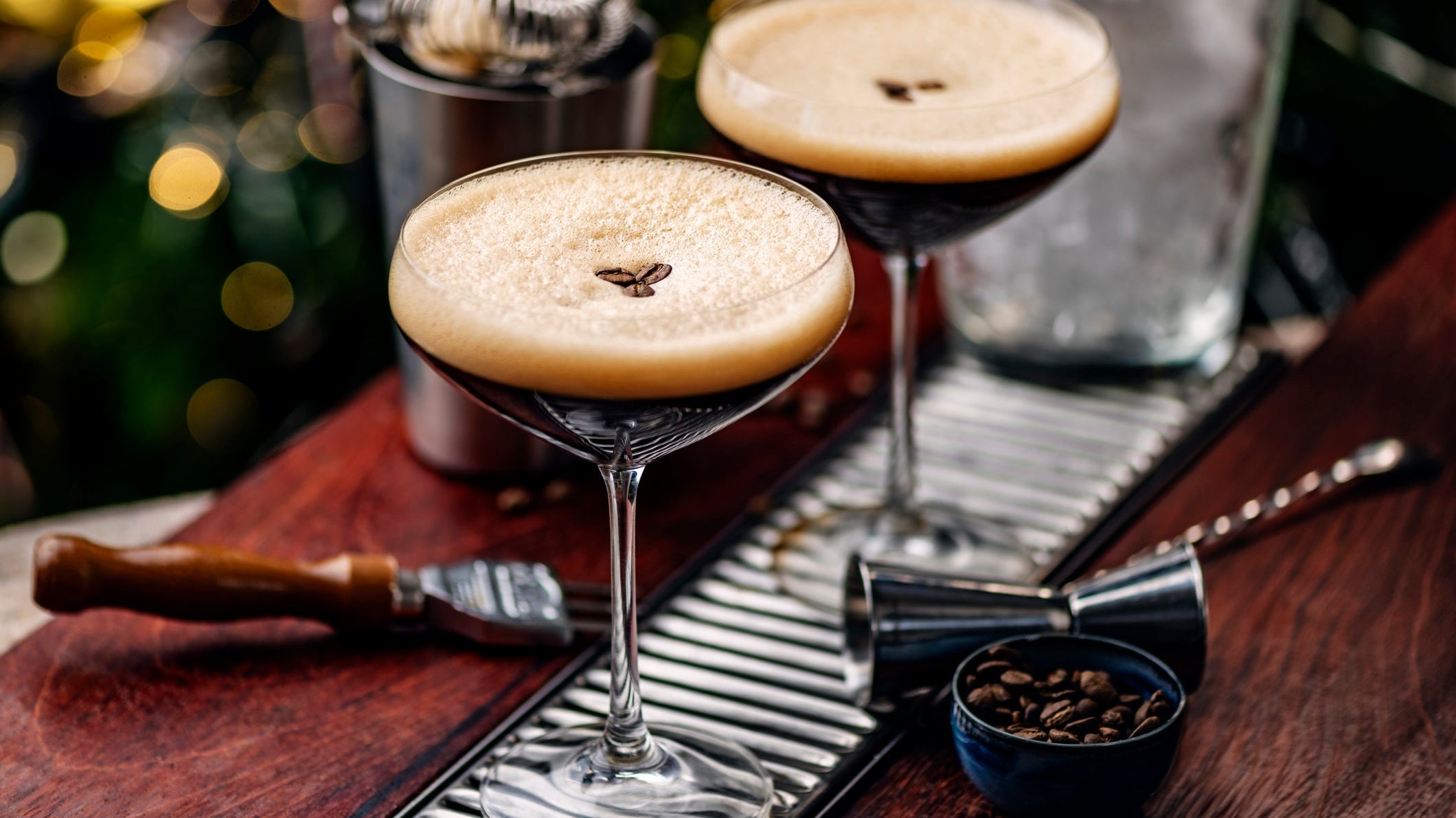
Caffeine, Alcohol, and the Perpetual Cycle of Diminishing Output
Modern life runs on caffeine to wake and alcohol to unwind. But both disrupt deep sleep and REM, trapping us in a cycle of fatigue and diminished performance. This article...
Wellness is not an absolute.
Wellness is no longer about extremes. Legacy brands cling to outdated models, while purist brands risk alienation through rigidity. The future belongs to those who build inclusive ecosystems—spaces that support...
