



Television, Sleep, and Human Performance: What the Science Really Tells Us
Television is part of many people’s nightly wind-down, but its impact on sleep is more complex than most realise. Screen type, brightness, content, and timing all influence whether TV helps...

Why Circadian Rhythms Are the Foundation of Human Performance
Circadian rhythms are more than sleep–wake cycles, they are the foundation of human performance. From morning focus to evening recovery, your body runs on rhythm. This post explores the science...
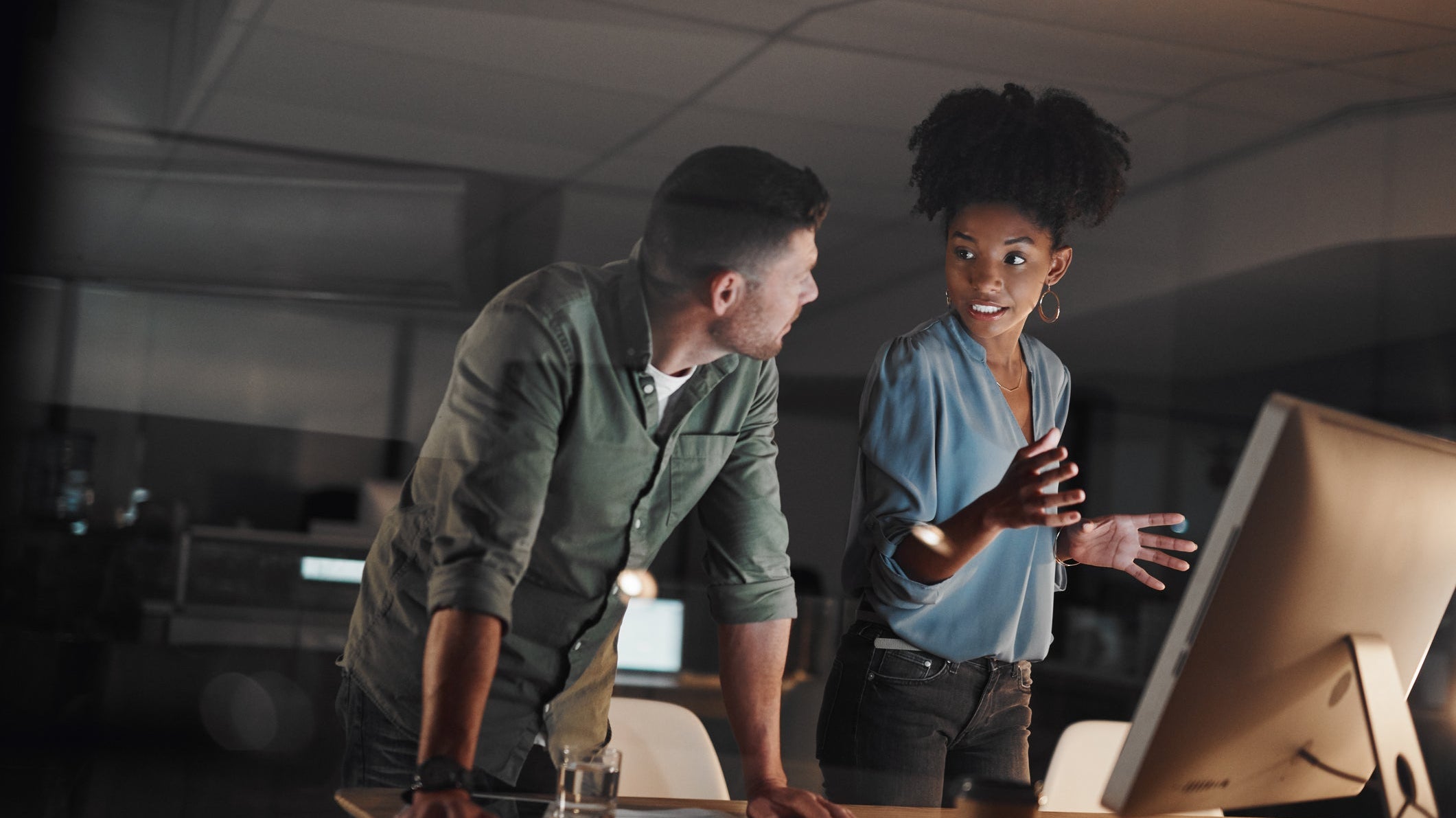
Is Your Office Environment Driving You to Drugs and Alcohol?
Poor office lighting is more than an inconvenience, it disrupts circadian rhythms, drives fatigue, and fuels reliance on caffeine and alcohol. This article explores the science behind lighting, mood, and...
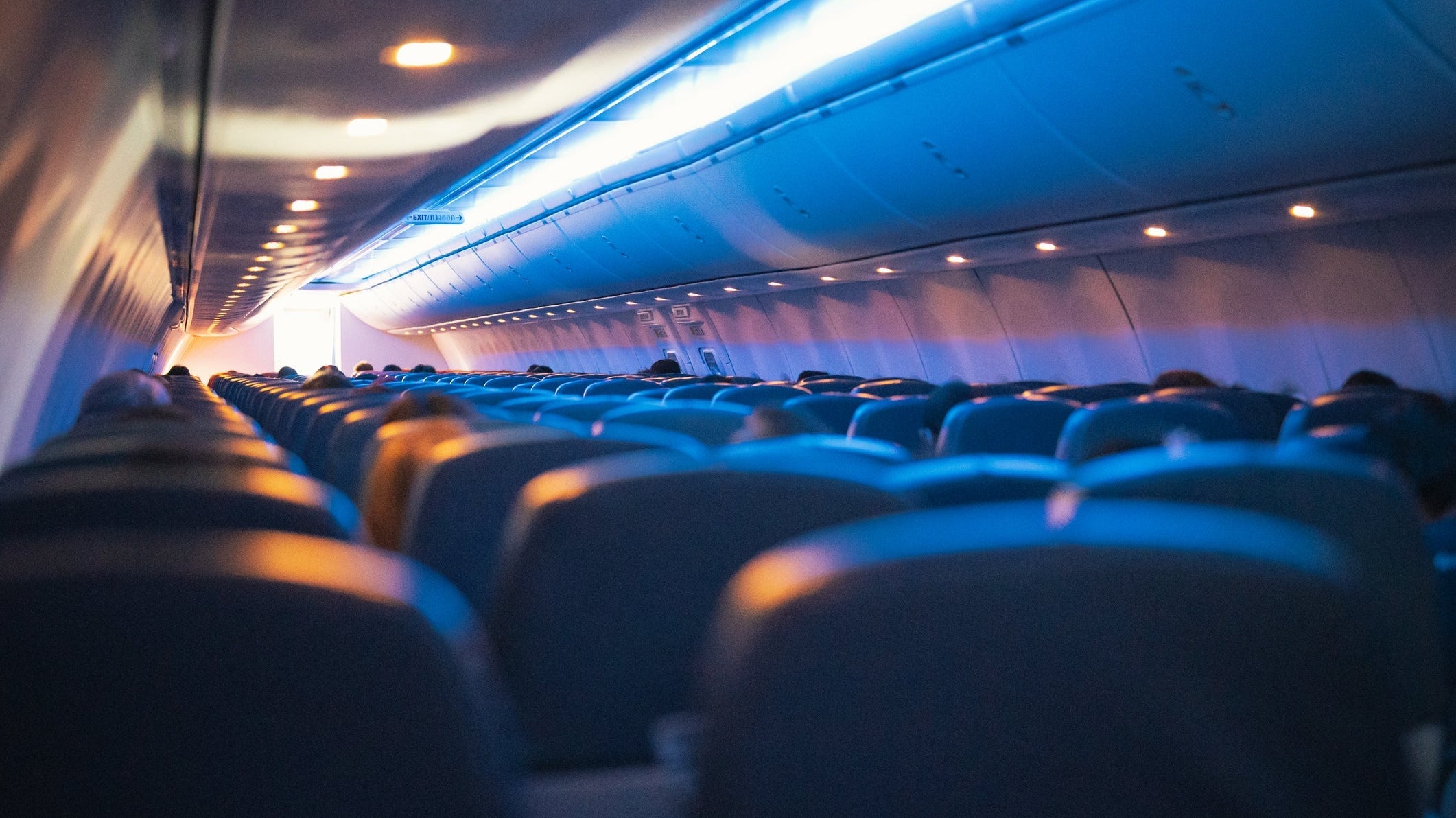
Hydration at Altitude: Understanding the Physiology and Managing It Effectively
Air travel exposes the human body to an environment unlike anything encountered on the ground. Cabins are engineered for safety and relative comfort, but the physiological stressors of altitude, including...
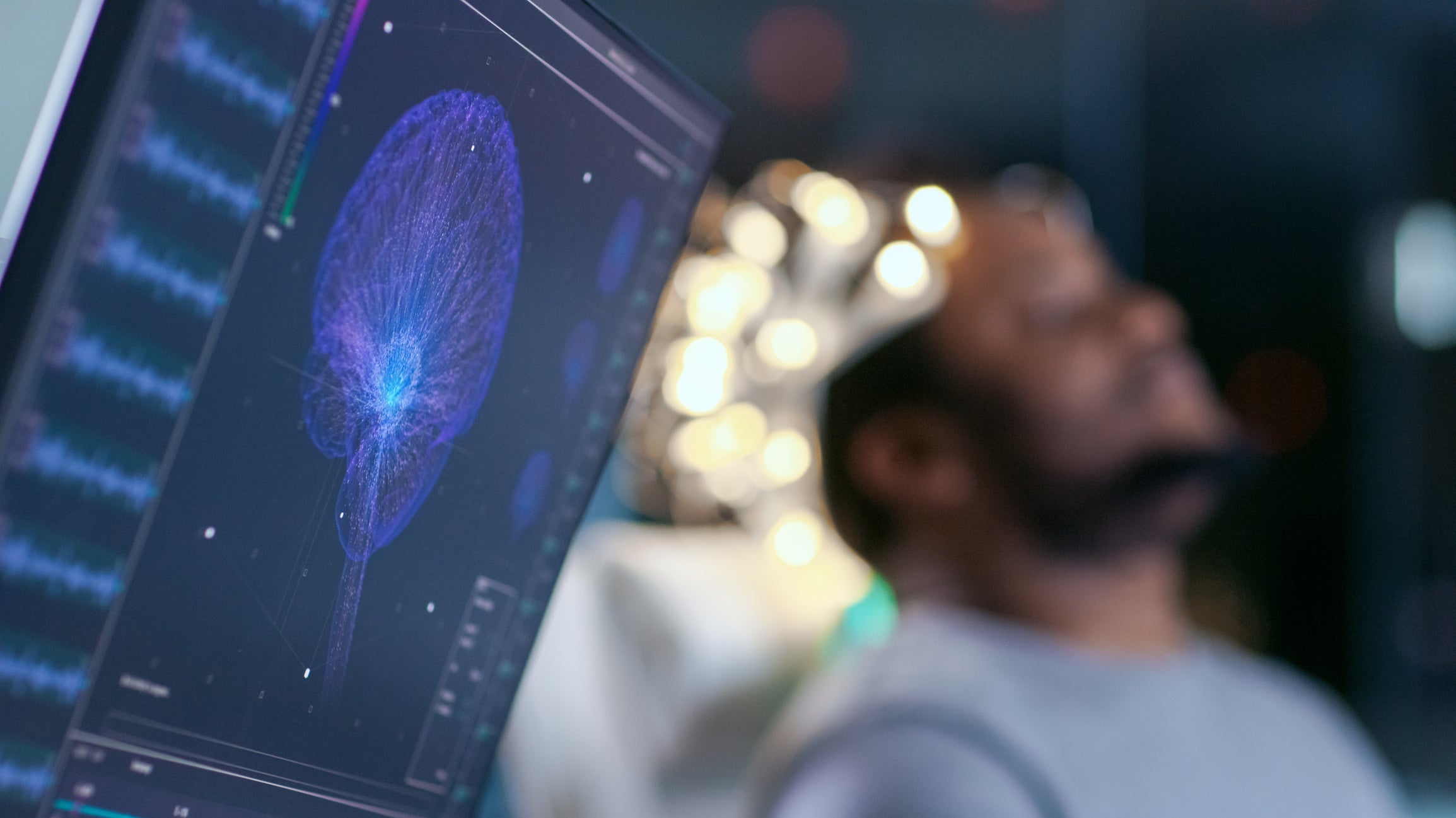
The First 7 Minutes After Waking: Why They Matter More Than You Think
Modern neuroscience confirms what ancient traditions have practised for millennia: the first few minutes after you wake up are biologically powerful. Your brain doesn’t flick on like a light switch....
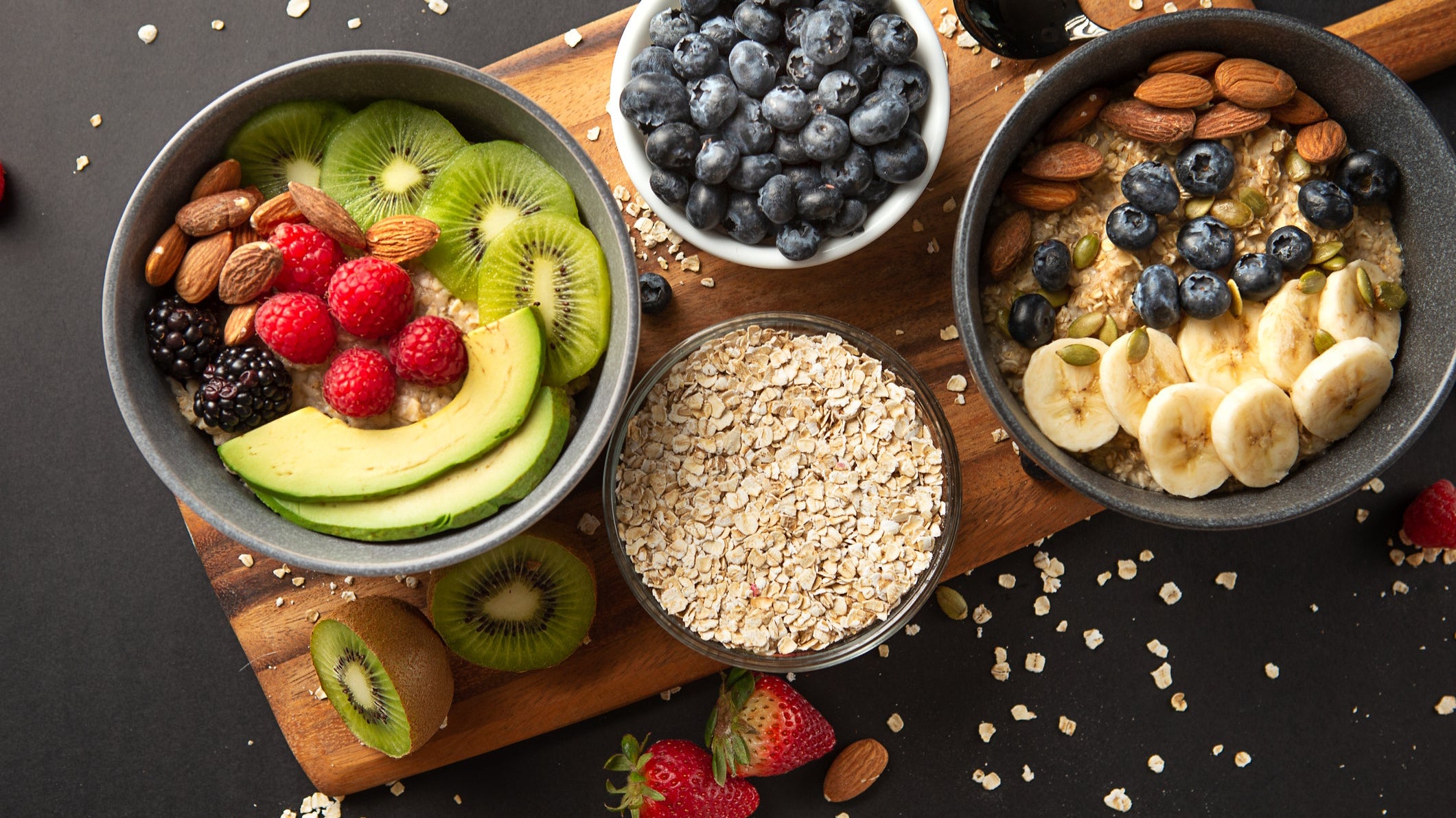
Understanding Fasting as a Biological Rhythm
Fasting is not simply a wellness trend; it is a deeply conserved biological behaviour observed across mammalian species. Feeding and fasting cycles in mammals are governed by circadian rhythms, the...

Returning to Rhythm: Why Adult Health Requires What We've Always Known About Infants
In health, as in early development, rhythm is not optional. It is foundational. From light exposure to nutrient timing, from wake cycles to sleep architecture, every major system in the...
The Role of B Vitamins in Light Sensitivity and Circadian Regulation
B vitamins, especially riboflavin (B2), pyridoxine (B6), and methylcobalamin (B12), play a vital role in how our bodies process light and regulate internal rhythms. While they’re best known for supporting...

Lions Mane - What we need to know.
One of the key ingredients in HMN24 Flow is Lion’s Mane (Hericium erinaceus), an emerging natural compound gaining increasing attention in scientific research. While still in the early stages of...

Flow: The Secret Weapon for Peak Performance and Creativity
In today’s workplace, achieving flow can seem impossible. Meetings, notifications, and digital noise constantly demand our attention. Yet, flow is not only achievable; it’s essential. By deliberately cultivating it, businesses...
L-Tyrosine and The Afternoon Slump
Dopamine (DA) and norepinephrine (NE) levels are likely to be lower as we move into the afternoon, contributing to the "afternoon slump." This phenomenon can result from a combination of...

Neuroplasticity and Sleep: How Rest Supports Learning and Growth
The concept of neuroplasticity—our brain’s capacity to reorganise and form new neural connections—has transformed our understanding of learning and growth.
The Science Behind Combining Caffeine with Theanine
Caffeine and theanine are compounds found in tea but have very different effects on our brains. Caffeine is a well-known stimulant that increases alertness and reduces fatigue, while theanine is...
