

You’re Not Recovered. You Just Feel Better.
Most travellers judge recovery by how they feel after a flight. Science shows that’s misleading. Sleep duration may recover within days, but circadian timing and sleep quality can remain disrupted...

The Biology Of Timing
Sleep isn’t just recovery, it’s regulation.You can be getting 7–9 hours a night, but if your timing is inconsistent, the biological impact is significant. This piece explores why circadian alignment, ...
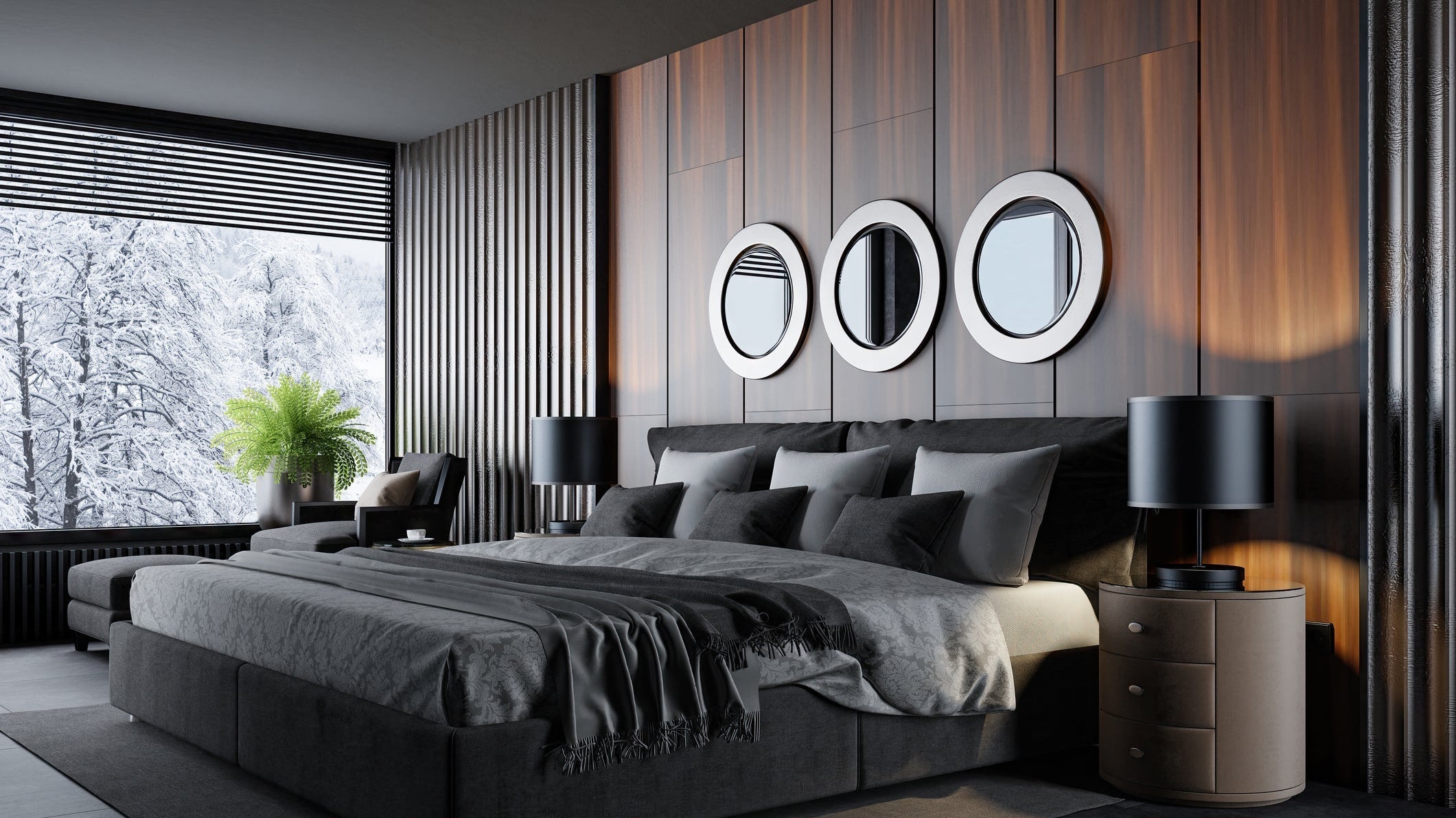
The Hidden Architecture of Sleep: Why Three Microclimates Determine How Well You Rest
You don’t sleep on a mattress, you sleep inside three thermal microclimates that sit between your body, your clothing and your bedding. These microclimates determine how quickly you fall asleep,...

The HMN24 Core Range: A Circadian-Aligned Performance System
The HMN24 Core Range supports the body’s natural circadian rhythm to enhance cognitive clarity, sustained focus, emotional regulation, and sleep quality. Rather than stimulating or sedating, the formulations reinforce the...
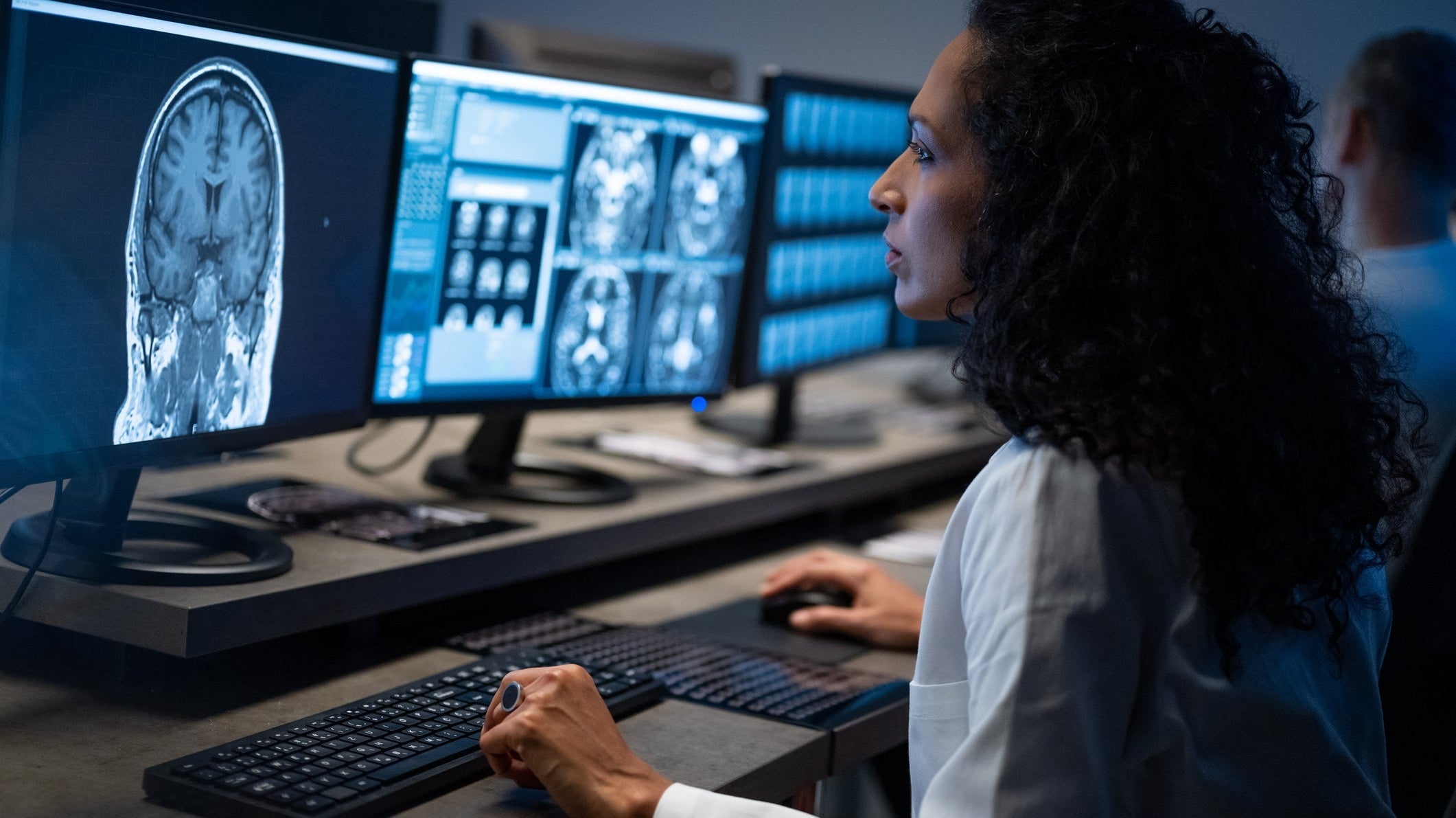
Why Circadian Rhythm May Be Central to Protecting the Brain
Disrupted circadian rhythms are not just a side-effect of Alzheimer’s, they may play a direct role in its development. Recent research shows that when the brain’s internal clocks fall out...

Why Alcohol-Free Spirits Are Booming (Even If They “Don’t Make Sense” at First Glance)
We’re entering a cultural shift where the drink in your hand is less about intoxication and more about identity, ritual and belonging. Alcohol-free spirits aren’t a replacement, they’re an evolution....
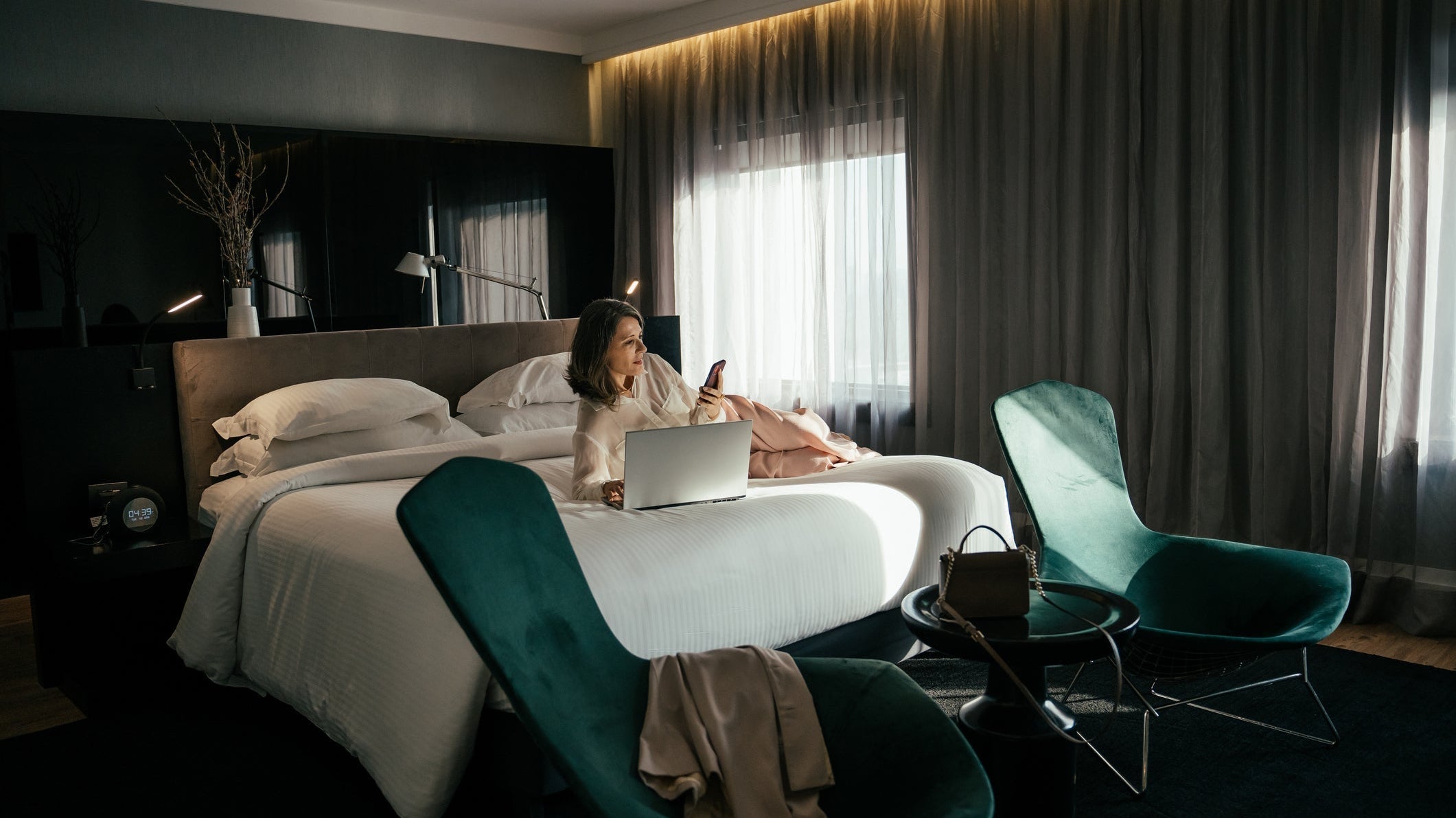
The First-Night Effect: Why We Sleep Poorly in New Environments
The First-Night Effect is a neurobiological safeguard that keeps one half of your brain more alert in unfamiliar environments. While adaptive, it disrupts recovery. This article explores the science and...
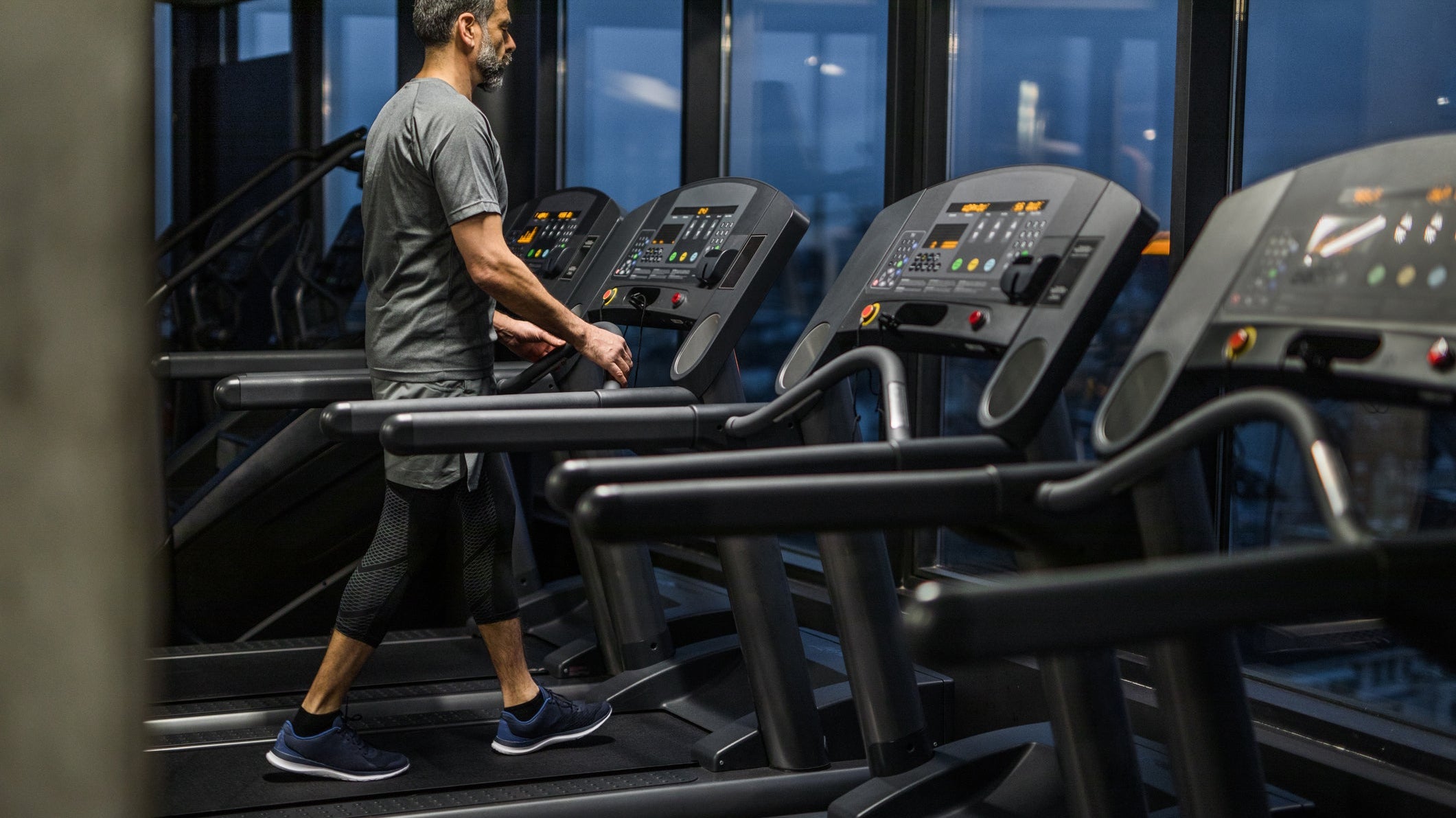
The Best Workout Timing for Quality Sleep
Exercise and sleep aren’t rivals, they’re partners. The time you train can either help you fall asleep faster and recover better, or leave you wired at night. This article breaks...
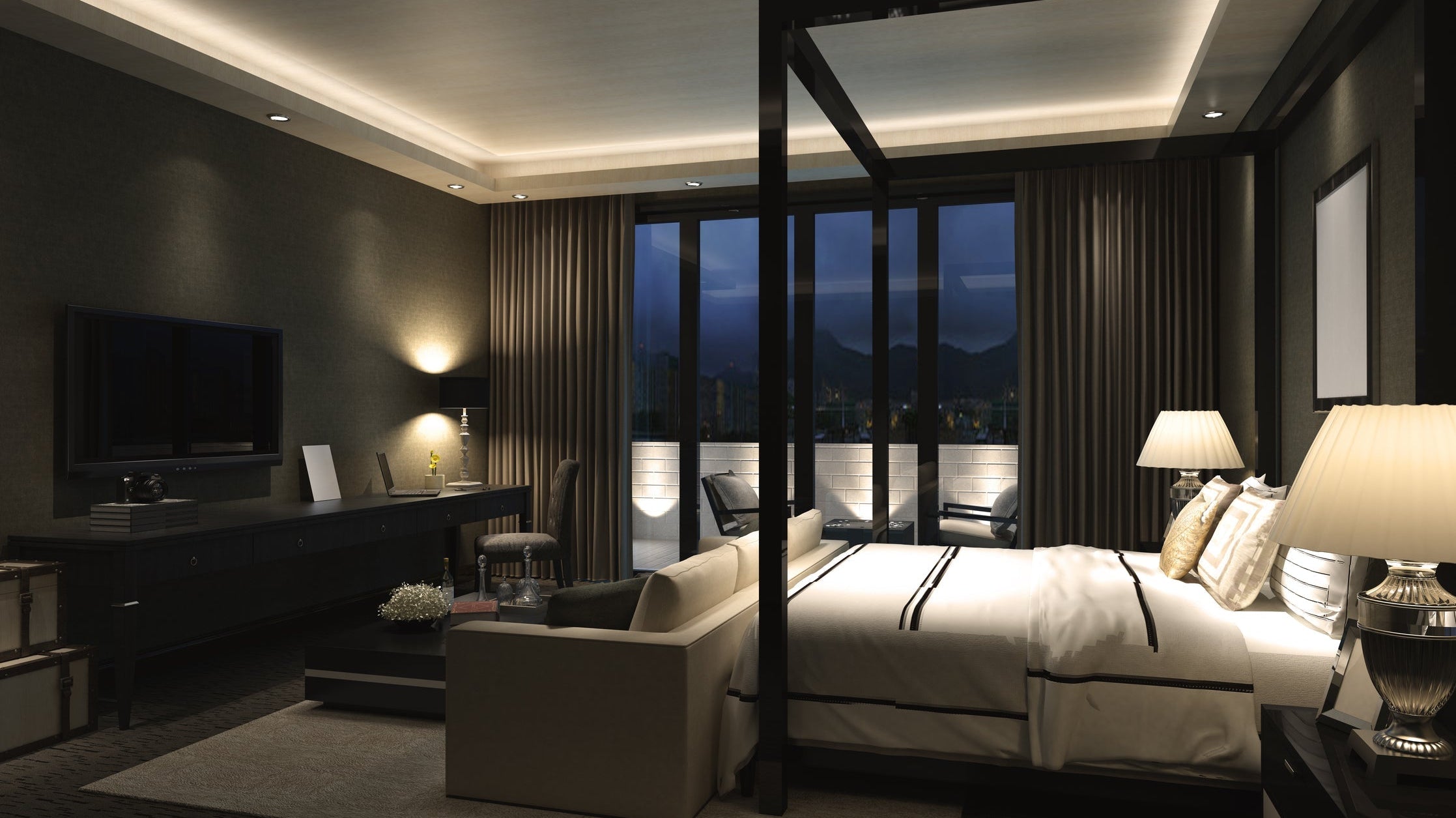
Travel Sleep Optimisation: How to Extend Home into the Hotel
Frequent travel doesn’t have to derail your sleep. By replicating familiar cues, temperature, scent, light, and routine—you can trick the nervous system into perceiving safety and calm, even in a...
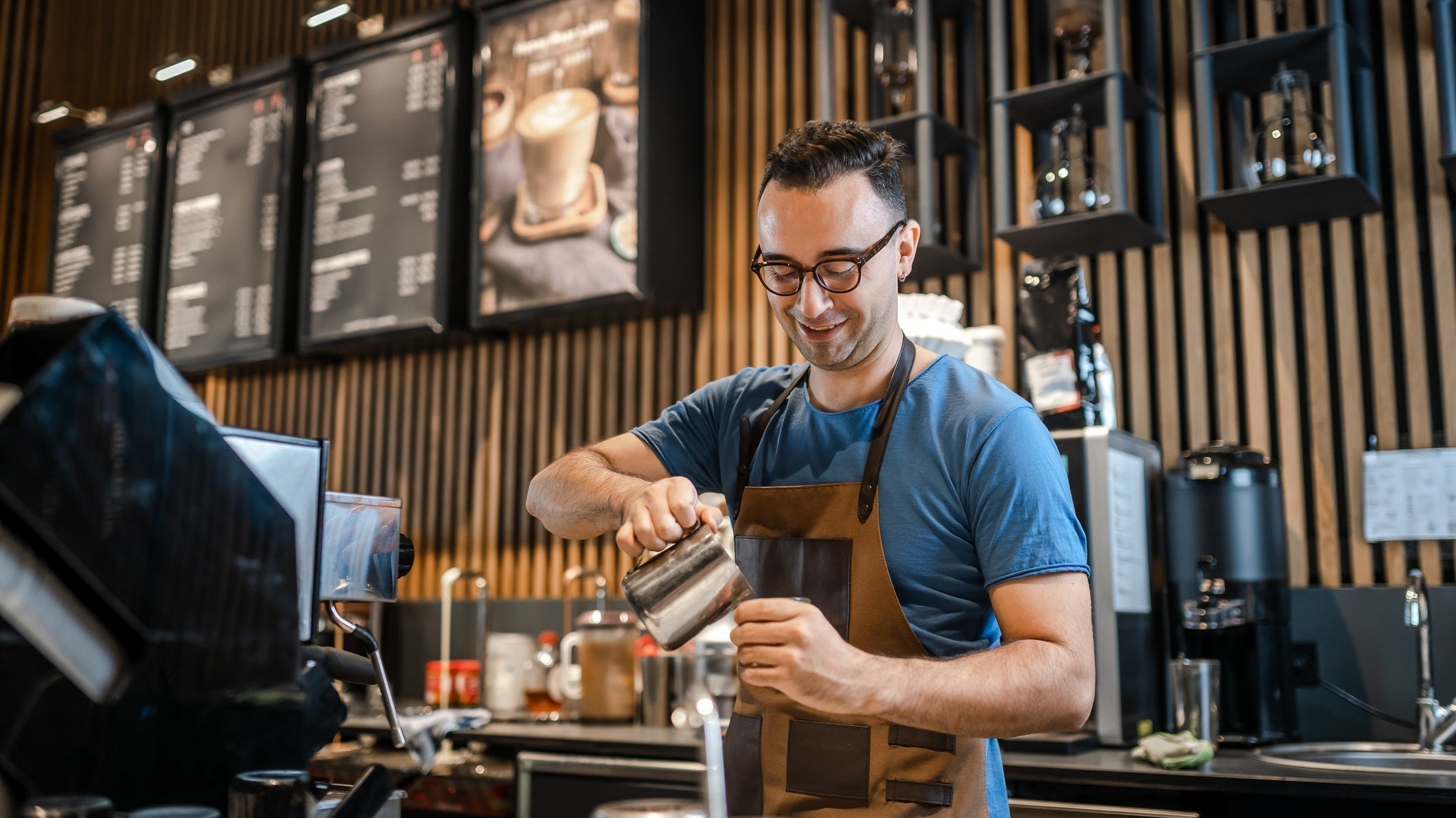
Why Your Afternoon Coffee Is Breaking Your Sleep
Caffeine fuels performance, but timing is everything. Afternoon caffeine disrupts circadian rhythm, narrows recovery, and traps you in the fatigue cycle. Here’s the science behind smarter stimulation.
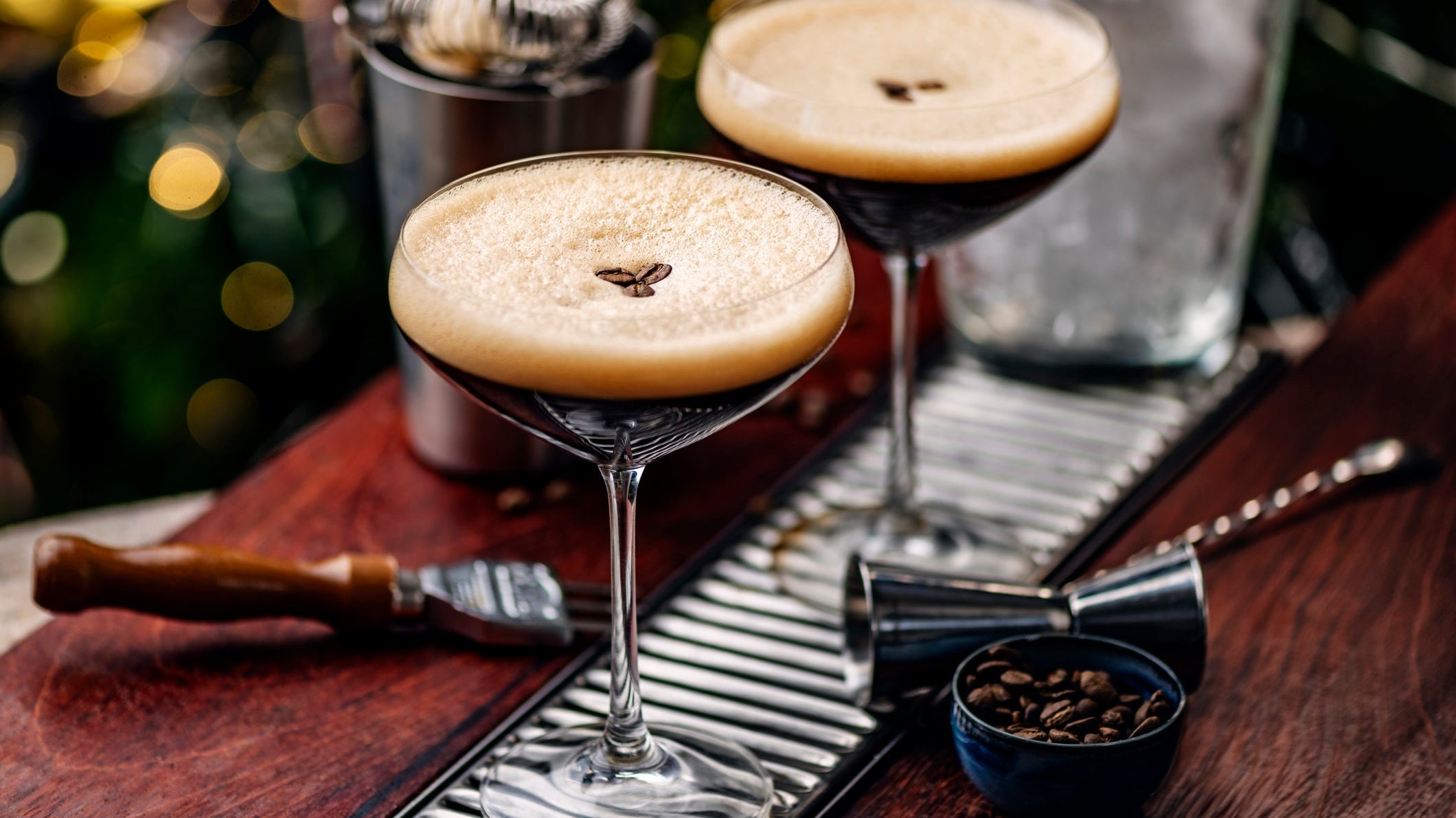
Caffeine, Alcohol, and the Perpetual Cycle of Diminishing Output
Modern life runs on caffeine to wake and alcohol to unwind. But both disrupt deep sleep and REM, trapping us in a cycle of fatigue and diminished performance. This article...
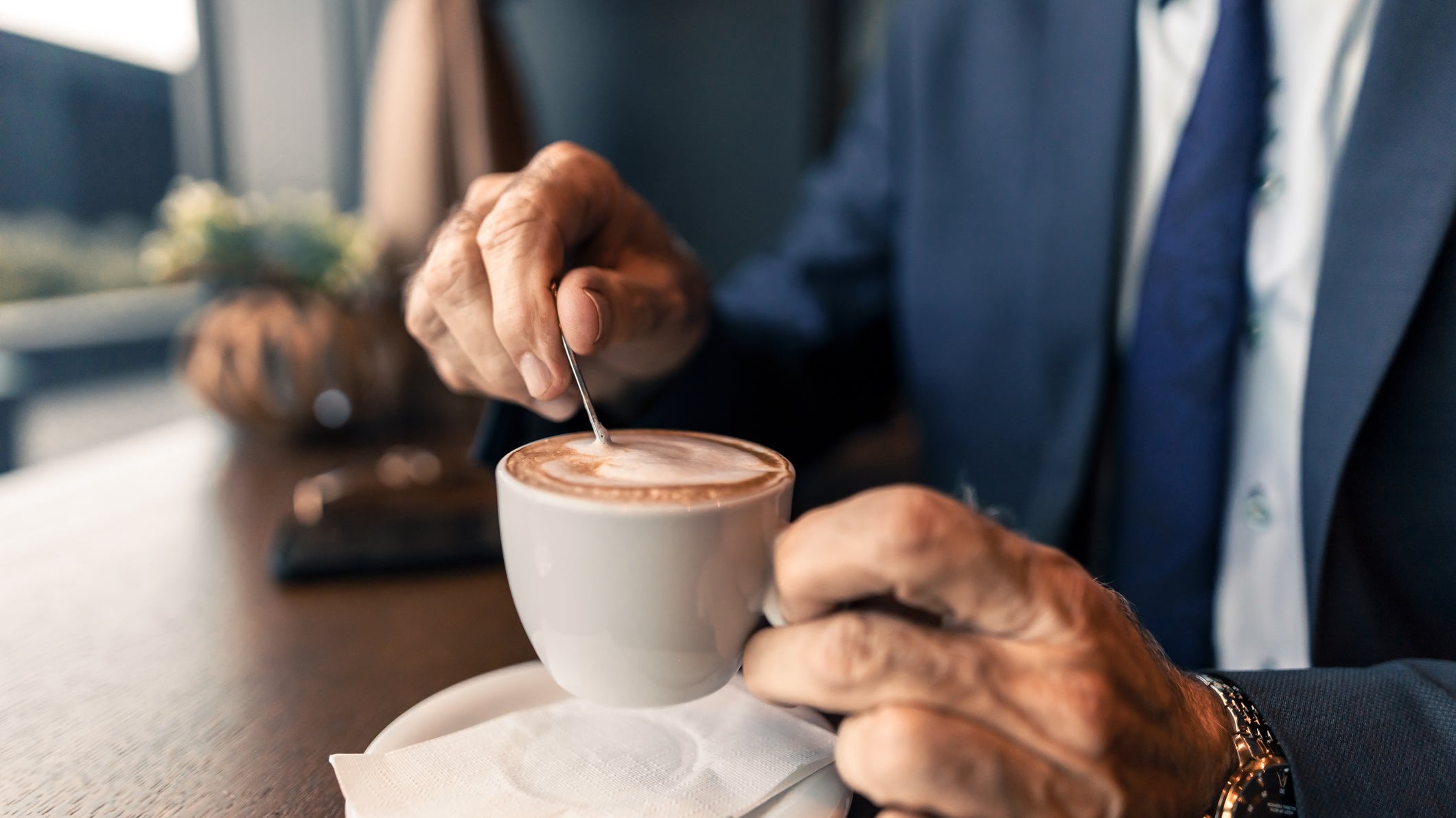
Wellness is not an absolute.
Wellness is no longer about extremes. Legacy brands cling to outdated models, while purist brands risk alienation through rigidity. The future belongs to those who build inclusive ecosystems—spaces that support...
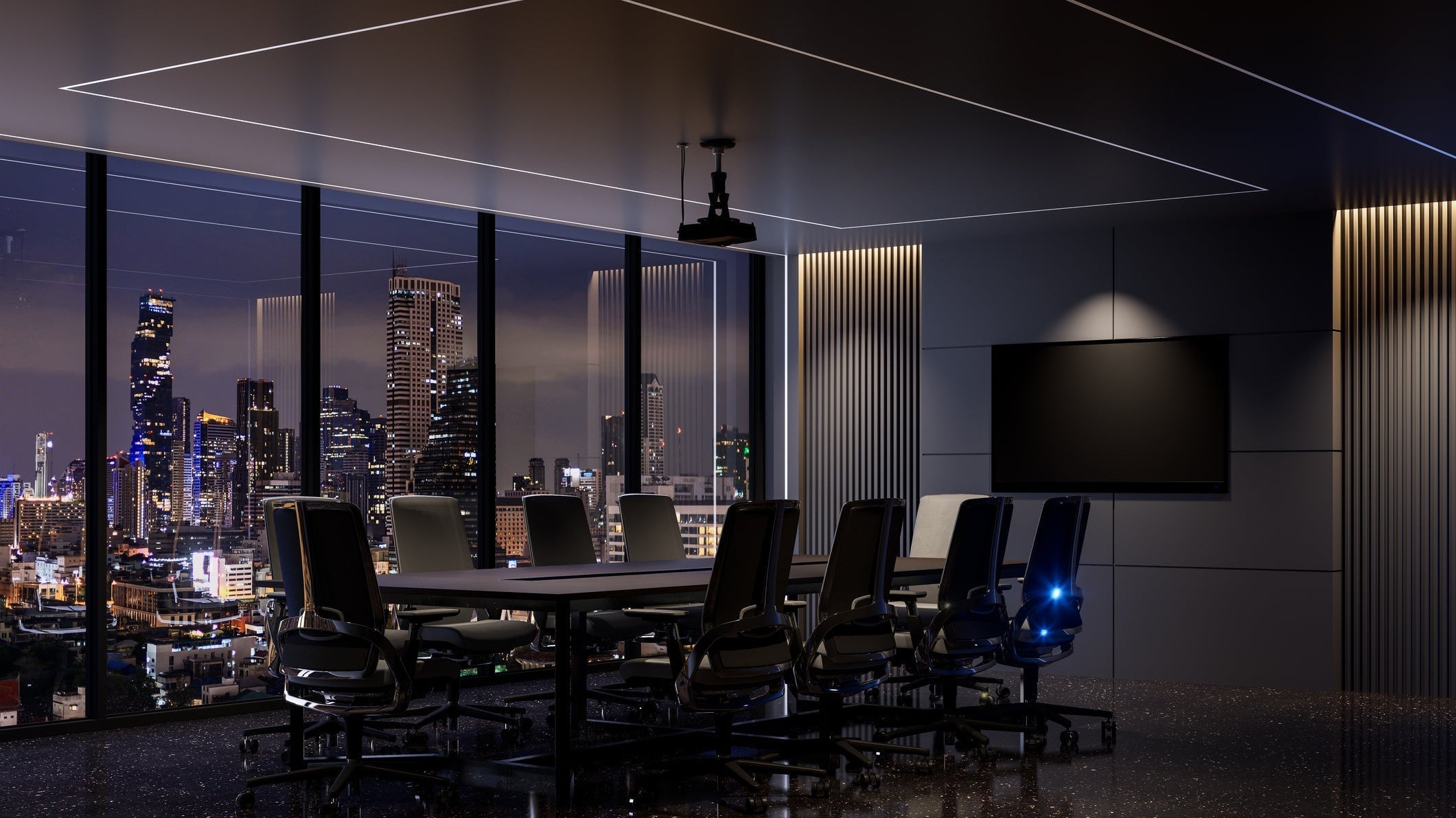
Rethinking Meeting Rooms: From Space to Performance Tool
Most meeting rooms weren’t designed for human biology. They were designed because “we need meeting rooms.” But in 2025, that’s not enough. Light, temperature, and circadian science now define whether...
