


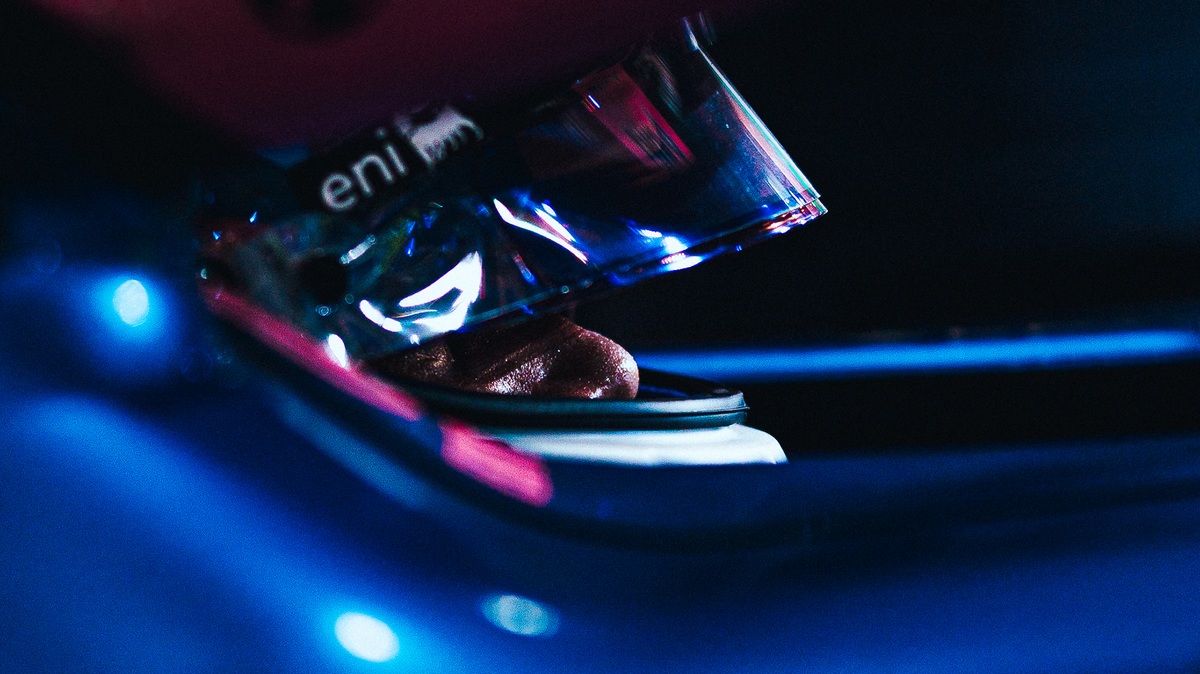
The fly-away finale: nine races that will move your body clock
Eight flyaway races, time zones swinging from seven hours ahead to eight hours behind. Phil Learney on what the season finale does to the body clock, how the crew manage...

The Employee-Centred Office: Scientific Evidence and Design Principles for a High-Performance Workplace
The modern office is no longer a default place to sit. From an employee perspective, it is a performance environment. People come to the office to think clearly, collaborate effectively,...

Towards Credible Bio-Aligned Lighting
“Get outside and see the sun” has become a recurring mantra in modern wellness culture. And for good reason. Light is one of the most powerful biological inputs we have....

The Science Your Meeting Room Is Getting Wrong
Most meeting rooms are designed for convenience, not cognition. Rising carbon dioxide, poor ventilation and environmental load quietly shut down the human brain long before the meeting agenda does. This...

The Science of Scent
Scent is one of the fastest ways the environment communicates with the nervous system. Some aromas cue safety and calm, while others quietly elevate stress. This article breaks down the...

Environmental Literacy: The Missing Competency in Wellness and High Performance
Modern wellness often focuses on what happens inside the body, diet, sleep, and exercise, while ignoring the world around it. This article explores why environmental literacy, understanding how air, light, temperature,...
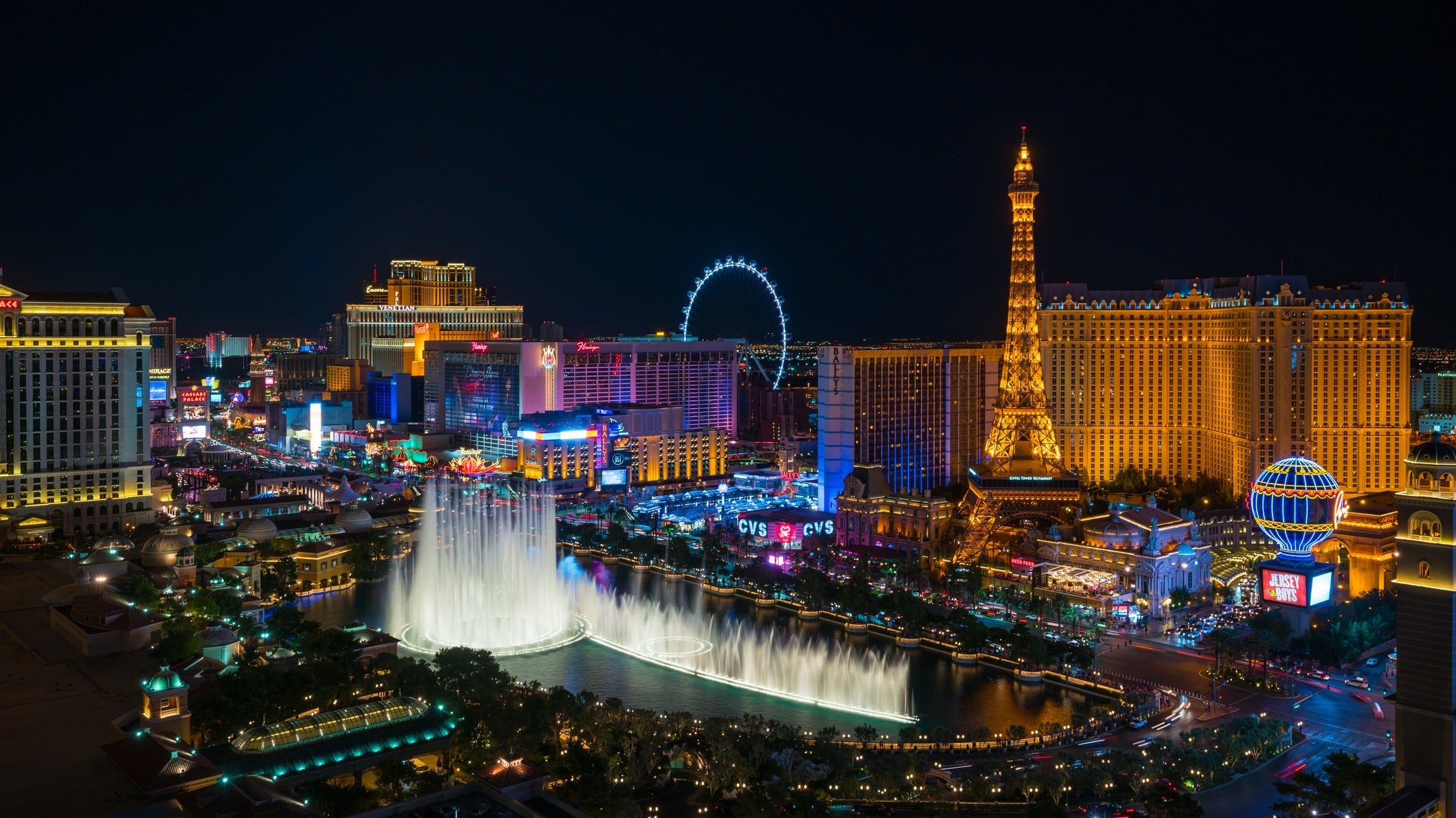
The Vegas Effect, How an Entire City Hacks Human Biology, and How HMN24 Rebalances It
Las Vegas isn’t powered by luck, it’s powered by biology. This article explores how the city’s architecture, lighting, air systems, caffeine, alcohol, and reward design manipulate circadian rhythms and dopamine...
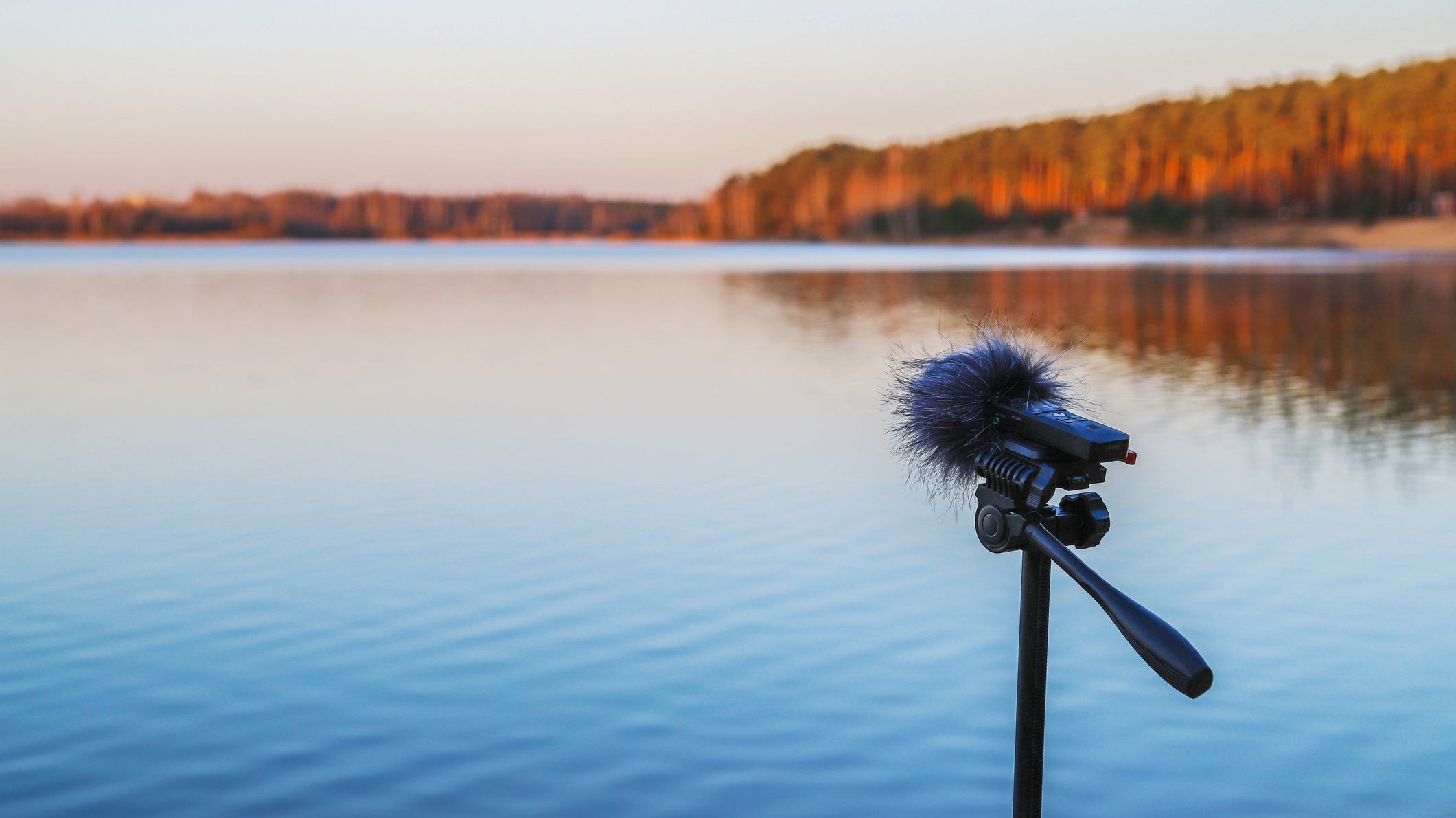
The Science of Sound: How Biophilic Soundscapes Are Improving Health, Focus, and Recovery
Natural soundscapes, birdsong, ocean waves, forest ambience—are no longer just background relaxation. Research shows they reduce stress, improve focus, and support circadian health across healthcare, workplaces, hospitality, and personal recovery.
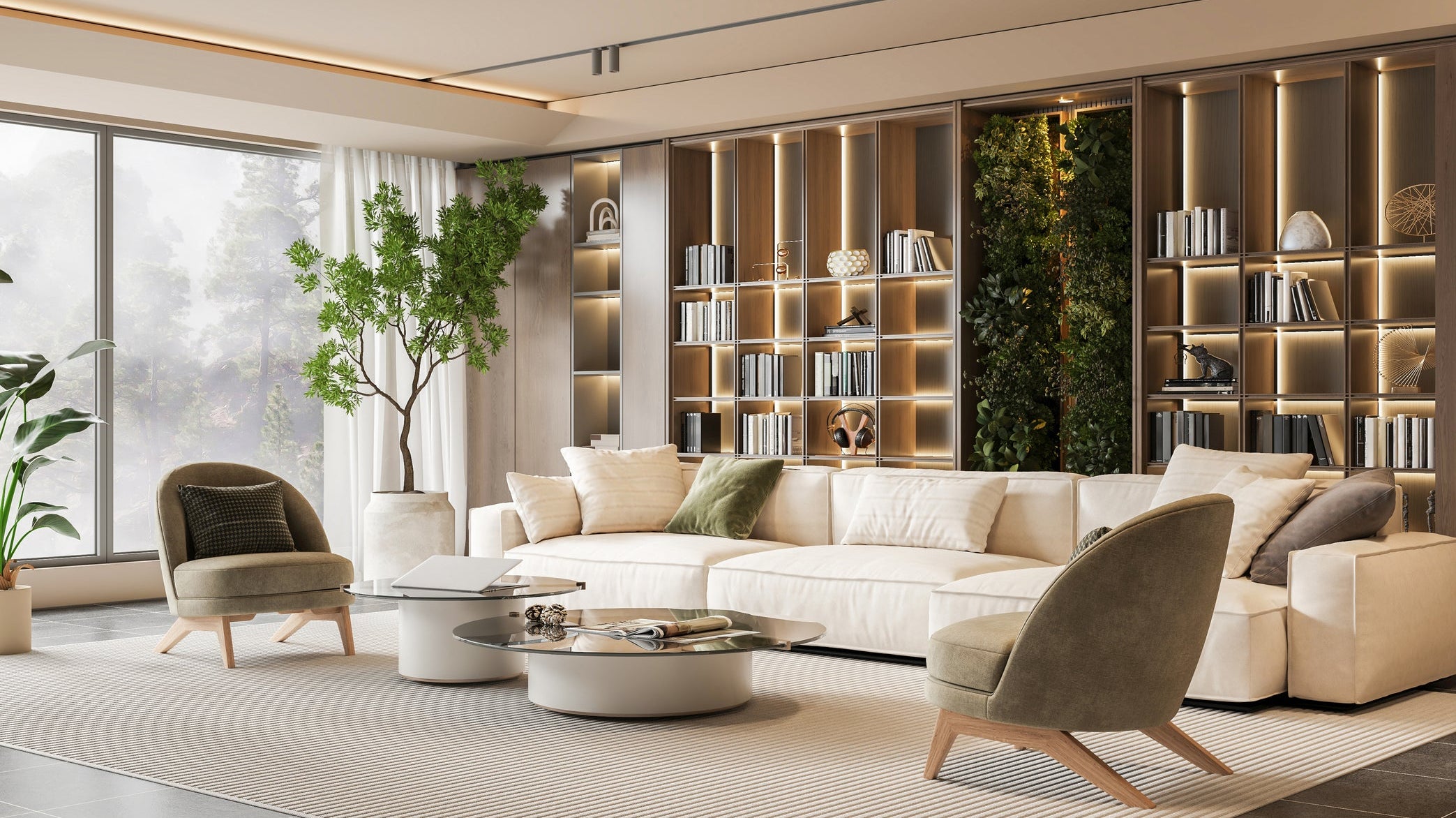
What We Need to Know About Biophilic Design
Biophilic design reconnects our built environments with nature. Research shows it reduces stress, boosts productivity, increases customer spending, and strengthens communities. This article explores the science, the economics, and why...
