


Why Circadian Rhythms Are the Foundation of Human Performance
Circadian rhythms are more than sleep–wake cycles, they are the foundation of human performance. From morning focus to evening recovery, your body runs on rhythm. This post explores the science...

Is Your Office Environment Driving You to Drugs and Alcohol?
Poor office lighting is more than an inconvenience, it disrupts circadian rhythms, drives fatigue, and fuels reliance on caffeine and alcohol. This article explores the science behind lighting, mood, and...

Optimising Dopaminergic Tone Without Burnout: The HMN24 Approach
Optimising dopaminergic tone without succumbing to burnout is one of the pivotal challenges in contemporary performance and wellness. In today’s culture of quick fixes, excessive caffeine consumption, overstimulating activities, and...

A Scientific Guide to Mattress Selection: Why Temperature Matters
Discover the science behind sleep temperature and mattress selection. Learn how airflow, materials, and new technologies influence thermoregulation, deep sleep, and recovery.

Why You Drink: It’s Often About What Happened Before the Glass, Not What’s In It
Most people think poor sleep comes from the glass of wine they had before bed. But the truth is, that glass is usually just the final act in a much...

HMN24 in Hospitality: The Operating System for Biologically Intelligent Wellness
HMN24 isn’t just a supplement brand. It’s a neuroscience-led system designed around three core principles: Circadian Modulation, Jet Lag Mitigation, and Arousal State Management. We’ve developed protocols trusted by elite...
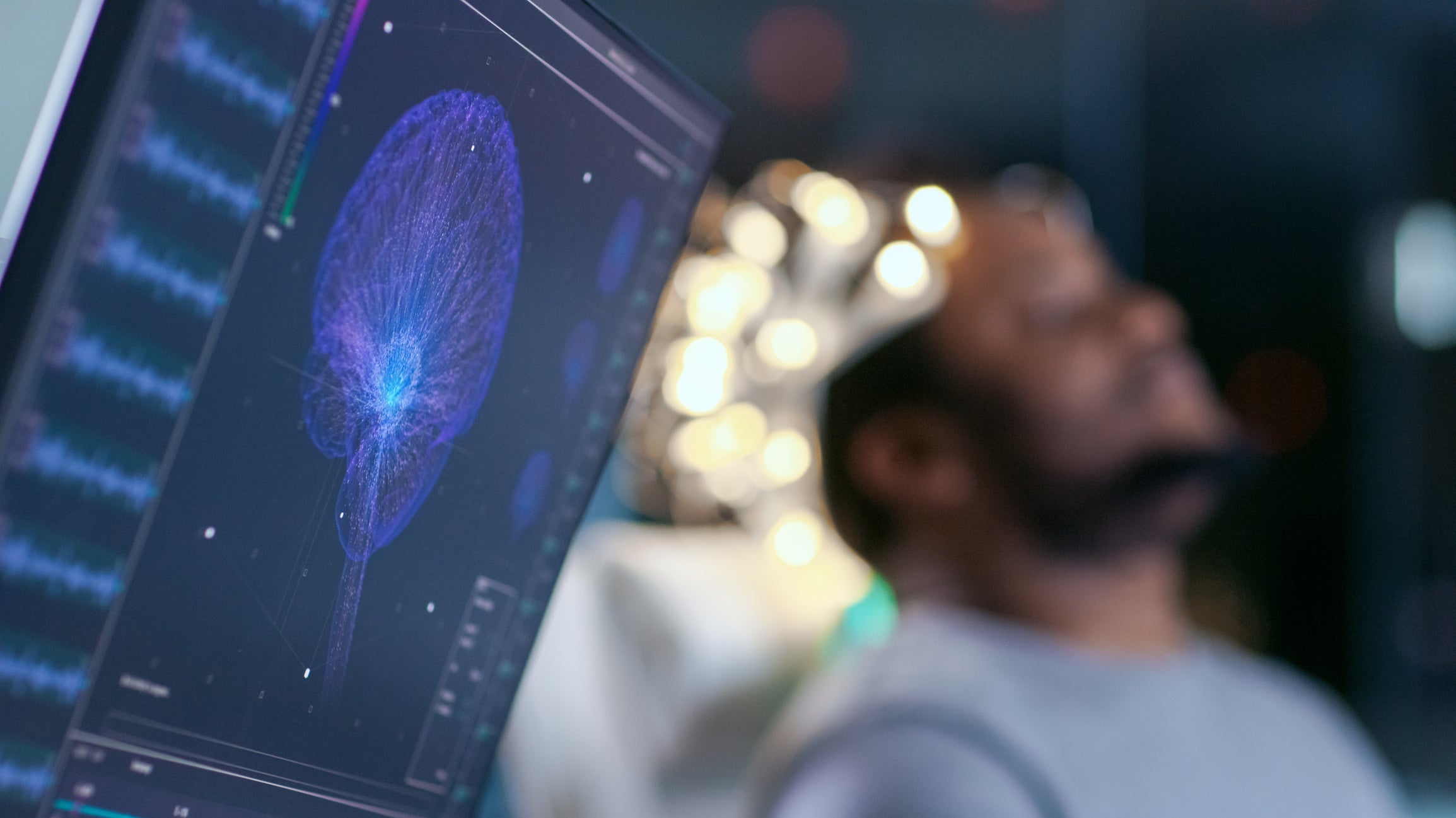
The First 7 Minutes After Waking: Why They Matter More Than You Think
Modern neuroscience confirms what ancient traditions have practised for millennia: the first few minutes after you wake up are biologically powerful. Your brain doesn’t flick on like a light switch....

Performance Hospitality: What Is Still Being Overlooked
The hospitality industry is in the midst of a significant evolution. Wellness is no longer a niche feature or optional add-on. It is becoming a central pillar of the guest...
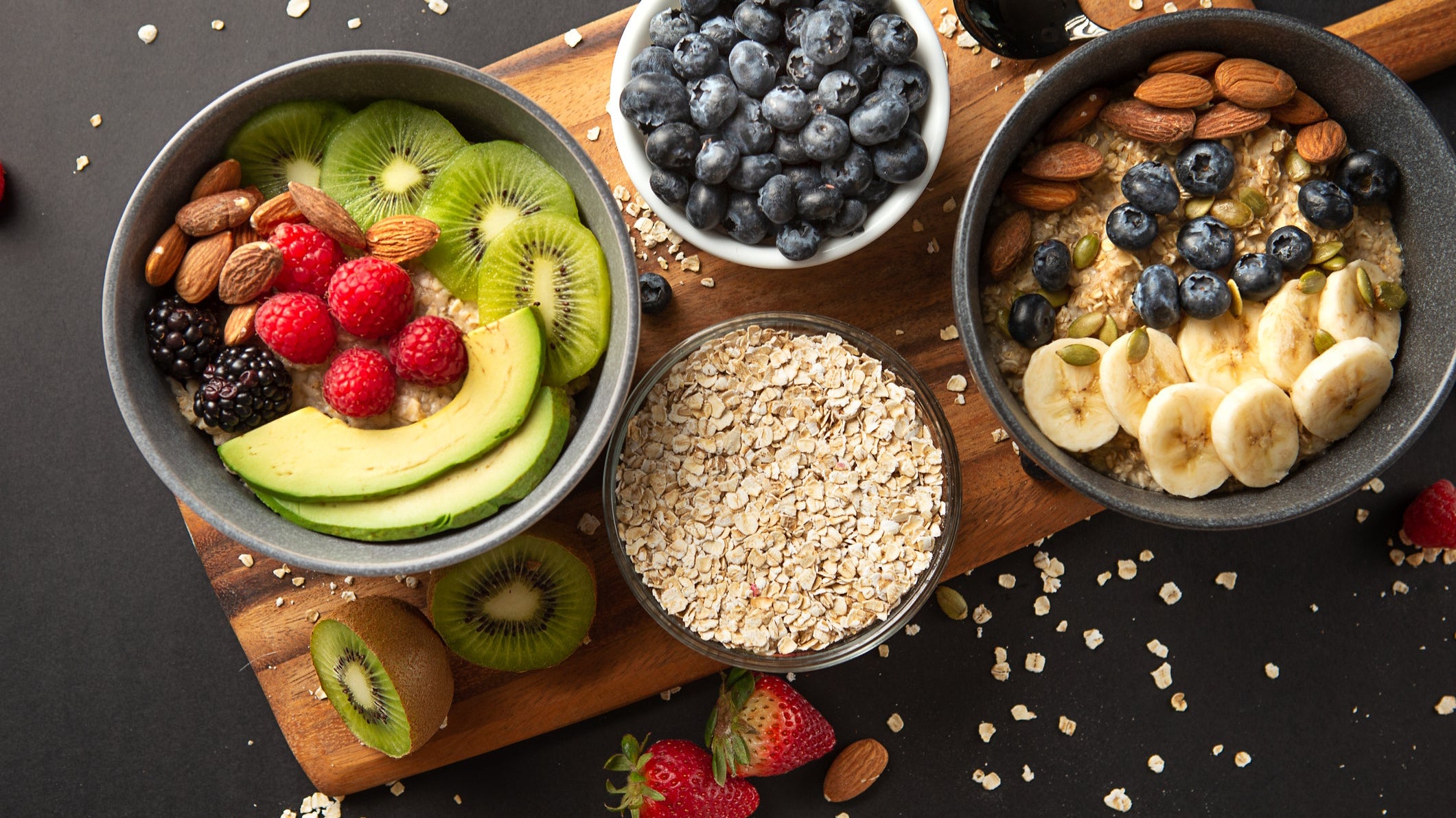
Understanding Fasting as a Biological Rhythm
Fasting is not simply a wellness trend; it is a deeply conserved biological behaviour observed across mammalian species. Feeding and fasting cycles in mammals are governed by circadian rhythms, the...

Returning to Rhythm: Why Adult Health Requires What We've Always Known About Infants
In health, as in early development, rhythm is not optional. It is foundational. From light exposure to nutrient timing, from wake cycles to sleep architecture, every major system in the...
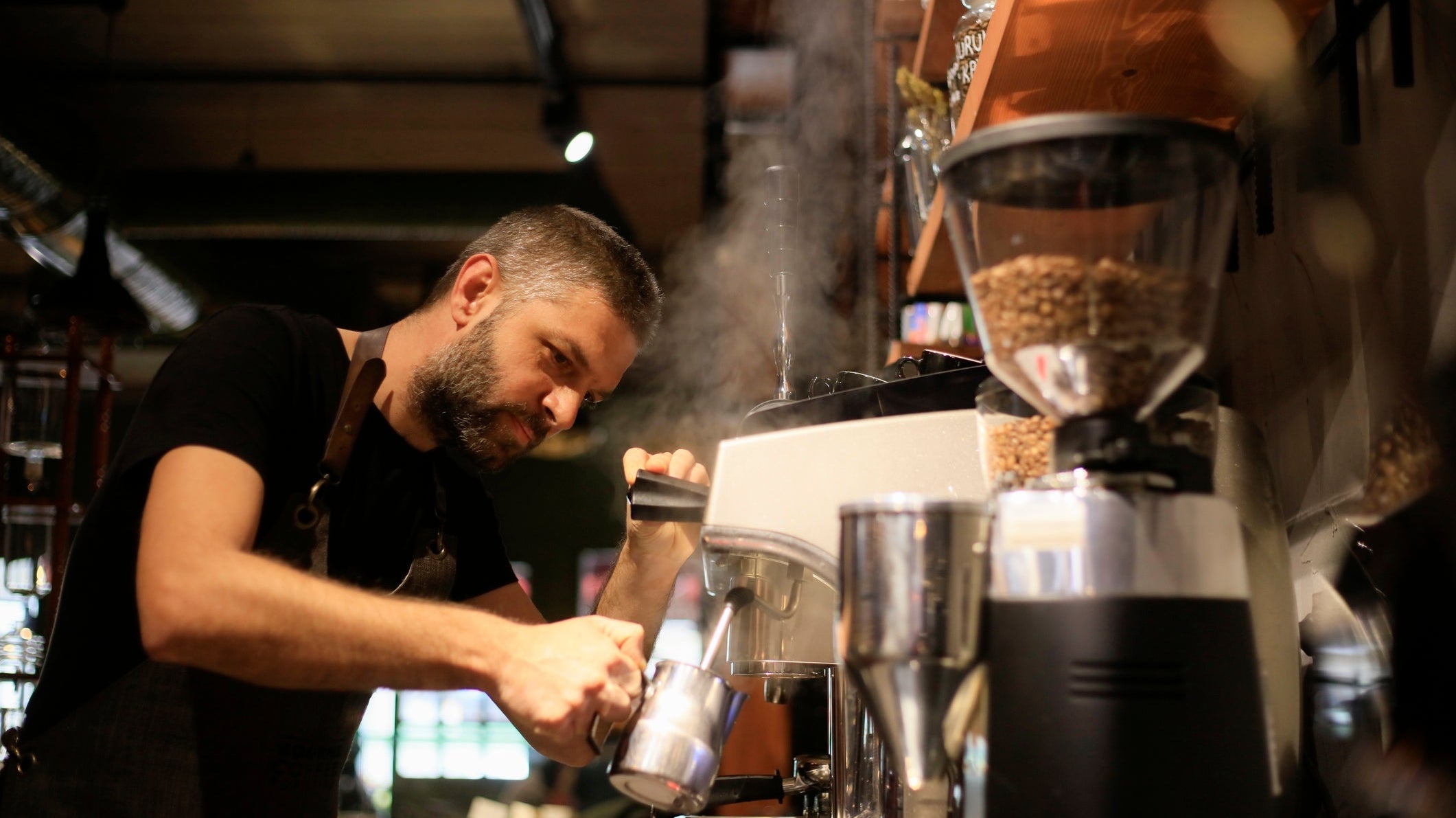
The Energy Category is Broken
Scientific consensus began to shift. Sugar wasn’t just energy, it became a metabolic risk. Excess glucose intake was now linked to obesity, Type 2 diabetes, systemic inflammation, and chronic disease....
Cutting Through The Bull
Red Bull’s functional origin (jet lag) was lost in translation as it became a lifestyle product. The mechanism, high caffeine, sugar, and B vitamins, delivered a short-term boost, not long-term...
The Role of B Vitamins in Light Sensitivity and Circadian Regulation
B vitamins, especially riboflavin (B2), pyridoxine (B6), and methylcobalamin (B12), play a vital role in how our bodies process light and regulate internal rhythms. While they’re best known for supporting...
